Belize is one of those rare places where jungle, reef, and ancient stone meet in one easy-to-love country. This Belize travel guide is for travelers who want more than a quick photo stop; it is for anyone who wants to feel the story of the land through its ruins, rivers, and living cultures.
From Maya temples rising over the canopy to islands where Caribbean life moves to the rhythm of the sea, Belize rewards curious visitors at every turn. I have shaped this list to help you explore the most meaningful places with local insight, practical tips, and the kind of details that make a trip feel personal.
Belize’s Best Tourist and Archaeological Sites for an Unforgettable 2026 Trip
1. Caracol: Belize travel guide to the Maya city hidden in the forest
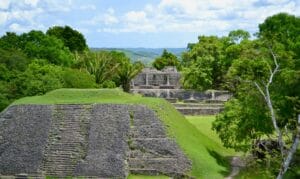
Caracol is the largest Maya site in Belize, and reaching it feels like entering another world. Deep in the Chiquibul Forest Reserve, this ancient city once rivaled major centers across the Maya world, with plazas, causeways, tombs, and the towering Caana temple.
What makes Caracol special is not just its size, but its setting. The road in passes through dense pine and broadleaf forest, so the journey itself feels like part of the adventure. When you stand near Caana, the “Sky Palace,” you can imagine how powerful this city once was.
You will also notice how quiet the site feels compared with more famous ruins in neighboring countries. That silence gives Caracol a powerful atmosphere, especially if you visit early in the day and let the sounds of the jungle do the rest.
💡 Local Pro Tip: Go with a licensed guide and leave San Ignacio early, because the drive is long and the site is best enjoyed before the midday heat. A packed lunch and insect repellent are smart essentials.
2. Xunantunich: Belize travel guide to a temple above the Mopan River
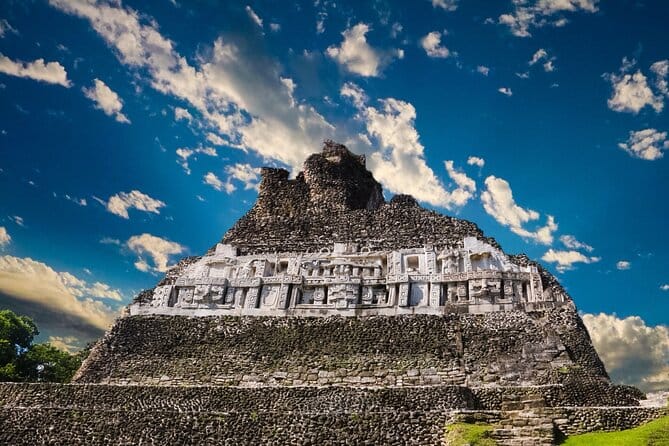
Xunantunich is one of Belize’s most photogenic archaeological sites, rising above the Mopan River near the Guatemalan border. The name means “Stone Woman,” tied to local legend, and the site’s main pyramid, El Castillo, gives you a sweeping view of the valley and surrounding hills.
The approach is memorable because you cross the river on a hand-cranked ferry. That small detail makes the visit feel old-fashioned in the best way, as if you are stepping back into another age before even reaching the ruins.
Xunantunich is also a great place to learn about Maya life in a compact setting. Carved friezes, courtyards, and ceremonial spaces make the history easy to read, even for first-time visitors exploring the Belize travel guide trail for ancient sites.
Book a visit: Check guided tour options on Tripadvisor.
💡 Local Pro Tip: Arrive around opening time for cooler air and fewer crowds, and bring a zoom lens if you want dramatic shots from the top of El Castillo. On clear days, the view across the borderlands is unforgettable.
3. Actun Tunichil Muknal: Belize travel guide to the Sacred Cave of the Maya
Actun Tunichil Muknal, often called ATM Cave, is one of Belize’s most powerful archaeological experiences. This is not a museum-style site; it is a living landscape of river crossings, limestone chambers, and sacred Maya relics left in place where they were found.
The cave holds pottery, tools, and even the famous Crystal Maiden, the calcified remains of a young person believed to have been part of ritual practice. It is moving, eerie, and deeply human at the same time.
Because the journey involves hiking, swimming, and crawling through narrow passages, this site is only for travelers who are comfortable with adventure. If you want one experience in Belize that combines archaeology, geology, and local storytelling, ATM is hard to beat in any Belize travel guide.
💡 Local Pro Tip: Wear shoes with excellent grip and listen closely to your guide’s instructions, because safety rules are strict for a reason. No cameras are allowed inside, so mentally prepare to experience it fully without distraction.
4. Lamanai: Belize travel guide to temples by the New River Lagoon
Lamanai is one of Belize’s most fascinating Maya sites because the name means “Submerged Crocodile,” and the place has a deep sense of water and wildlife. You can reach it by boat along the New River, which turns the visit into a scenic journey through mangroves, birds, and quiet riverbanks.
The ruins themselves spread across a broad area, with temples partly hidden by forest. The Mask Temple is a standout, with large carved faces that seem to watch over the jungle.
Lamanai also tells a longer story than many visitors expect. It remained important into the colonial era, so you are not just seeing a classic Maya center, but a place shaped by centuries of change. That layered history makes Lamanai a favorite stop in any serious Belize travel guide.
💡 Local Pro Tip: Choose the boat transfer if you can, because the river approach is part of the magic. Bring binoculars for birdwatching, since herons, kingfishers, and raptors are common on the way.
5. Altun Ha: Belize travel guide to the site of the Jade Head
Altun Ha is one of the easiest Maya sites to visit from Belize City, which makes it a smart choice for travelers with limited time. It is best known as the place where the famous Jade Head of the Sun God was discovered, now one of Belize’s most treasured national symbols.
The site has a calm, open feel, with broad plazas and two major temple groups. It does not have the jungle drama of Caracol or the river journey of Lamanai, but it offers something equally valuable: a clear window into Maya ceremonial life.
Because of its accessibility, Altun Ha works well as an introduction to Belize archaeology. If this is your first stop on a broader Belize travel guide itinerary, it gives you helpful context before you head deeper into the interior.
💡 Local Pro Tip: Pair Altun Ha with a morning departure from Belize City so you can beat the heat and still have time for lunch on the way back. The site is compact, so you can explore it well in about an hour or two.
6. Belize Barrier Reef and Hol Chan Marine Reserve: Belize travel guide to a world-class sea landscape
The reef is not an archaeological site in the traditional sense, but it is one of Belize’s greatest heritage treasures and a major reason people come here. Hol Chan Marine Reserve, near Ambergris Caye, is among the best places to snorkel over coral gardens, swim with rays, and see the marine life that shapes Belize’s coastal identity.
This is the second-largest barrier reef in the world, and its importance goes far beyond tourism. For generations, coastal communities have depended on the sea for food, trade, and culture, so a visit here connects you to Belize’s living relationship with the ocean.
Hol Chan’s channel, seagrass beds, and nearby shark-and-ray areas make for a lively day on the water. In a full Belize travel guide, the reef belongs beside the ruins because it tells another part of Belize’s long human story: survival, adaptation, and respect for the environment.
💡 Local Pro Tip: Book a morning snorkel trip for calmer water and better visibility, and use reef-safe sunscreen only. If you can, add a second stop at a nearby coral site to compare different habitats in one trip.
7. Cahal Pech: Belize travel guide to a royal hilltop home
Cahal Pech sits above San Ignacio and is one of the oldest known Maya settlements in western Belize. The name means “Place of Ticks,” which sounds less glamorous than the site feels, but the views and architecture make it a rewarding stop.
Unlike the bigger ceremonial centers, Cahal Pech feels intimate. Its rooms, courtyards, and smaller temples help you picture elite Maya family life, not just grand rituals and kings.
The hilltop setting adds charm, especially if you visit near sunset when the light softens over the valley. For travelers who want a quieter archaeological experience within the Belize travel guide, Cahal Pech is one of the easiest sites to love.
💡 Local Pro Tip: Visit after exploring downtown San Ignacio, since the site is close enough for a relaxed half-day outing. A local guide can help you understand which structures were living spaces and which were ceremonial spaces.
8. Nim Li Punit: Belize travel guide to the carved stelae of Toledo
Nim Li Punit, in southern Belize, is known for its tall carved stone monuments, or stelae, many of which show rulers in elaborate dress. The site sits in the Toledo District, one of the least crowded and most culturally rich regions in the country.
The setting feels lush and remote, with rolling hills and thick greenery all around. That peaceful atmosphere makes the carved monuments stand out even more, almost like stone storytellers rising from the earth.
Nim Li Punit is especially rewarding for travelers who enjoy reading symbols and history slowly. It may not be as massive as some northern sites, but it offers some of the finest artistic detail in any Belize travel guide focused on the Maya world.
💡 Local Pro Tip: Combine this visit with nearby villages in Toledo so you can experience both archaeology and modern Maya life in one day. Roads can be slower than expected, so build in extra travel time.
9. Lubaantun: Belize travel guide to the mysterious stone city
Lubaantun is famous for its unusual construction style, with carefully fitted stones laid without mortar. The site’s name is often translated as “Place of Fallen Stones,” and the architecture gives it a distinctive character that feels different from other Belizean ruins.
This is also the site connected to the famous Crystal Skull story, which has attracted curiosity for decades. Whether you come for the legend or the archaeology, Lubaantun has a brooding beauty that lingers in the memory.
The rounded hilltops and deep green landscape surrounding the site add to the feeling that you are far from the ordinary tourist circuit. For travelers building a deeper Belize travel guide, Lubaantun offers mystery, craftsmanship, and a strong sense of place.
💡 Local Pro Tip: Bring water and sun protection, because the site has open areas with limited shade. If you enjoy photography, visit in soft morning light to highlight the texture of the stonework.
10. Cerros: Belize travel guide to a seaside Maya trading hub
Cerros sits near Corozal Bay and gives you a rare chance to see a Maya site on the coast. This was once an important trading center, tied to the movement of goods by water, and that coastal location shaped everything about its history.
The site is smaller than Caracol or Lamanai, but the setting is special. You get views of the bay, mangroves, and open sky, which create a very different mood from inland ruins.
Cerros is also ideal for travelers who like places with space to think. You can walk the mounds, imagine merchant routes, and see how the Maya used the shoreline as part of a wider regional network in the larger story of the Belize travel guide.
💡 Local Pro Tip: Visit during the cooler part of the day and ask about combining the stop with a local food experience in Corozal. The bay scenery is especially nice in the late afternoon.
11. Green Iguana Conservation Project: Belize travel guide to wildlife and cultural education
The Green Iguana Conservation Project in San Ignacio is not an ancient ruin, but it belongs on a thoughtful Belize itinerary because it teaches visitors about one of the country’s most recognizable reptiles. The project is run with care and gives you a close, respectful look at iguana breeding, conservation, and habitat protection.
Belize’s natural heritage is inseparable from its cultural heritage, and this is a good place to understand that link. Local staff explain why conservation matters in a country where forests, rivers, and communities are so closely connected.
It is also an easy and family-friendly stop between archaeological visits. For travelers using a Belize travel guide to balance history with nature, this is a short but meaningful addition.
💡 Local Pro Tip: Reserve your visit in advance during busy periods, because group sizes are kept small. Ask questions while you are there, since the staff often share excellent tips for birding and nature walks nearby.
12. Xunantunich to San Ignacio Market: Belize travel guide to ruins and daily life
A perfect Belize day is often not just about the ruins, but about what happens after them. After visiting Xunantunich, head back to San Ignacio Market to experience the rhythm of local trade, fresh produce, handmade goods, and everyday conversation.
Markets reveal the living culture behind the monuments. You will hear a mix of languages, see tropical fruits that may be new to you, and get a real sense of how Belizeans shop, cook, and connect with one another.
This combination of archaeology and local life makes the day feel complete. In a practical Belize travel guide, it is one of the best ways to move beyond sightseeing and into real cultural understanding.
💡 Local Pro Tip: Go before lunch for the best selection of produce and snacks, and bring small bills for easier bargaining. Try local fruits if you see them, especially seasonal varieties you may not find at home.
13. St. Herman’s Blue Hole National Park: Belize travel guide to caves, trails, and sacred landscape
St. Herman’s Blue Hole National Park is a great place to understand Belize’s limestone landscape. The park includes cave systems, forest trails, and a striking inland blue pool, all of which show how water has shaped this region for thousands of years.
The site is a reminder that archaeology here is not limited to visible ruins. The caves were important to the Maya, and the whole area carries a quiet, sacred feeling that fits Belize’s deeper history.
Hiking here gives you a slower, more reflective experience than the larger ruins. For travelers building a balanced Belize travel guide, it adds geology, ecology, and a sense of spiritual landscape to the itinerary.
💡 Local Pro Tip: Bring sturdy walking shoes and a headlamp if you plan to explore cave sections with a guide. Pair the park with a swim stop if you want to cool off after the trail.
14. Belize Museum in Belize City: Belize travel guide to the country’s layered past
The Belize Museum is one of the best places to start or end your journey if you want context before visiting archaeological sites. Housed in a former colonial prison, the building itself tells part of Belize’s story, from British rule to independence and nation-building.
Inside, you will find exhibits on Maya history, colonial life, postage stamps, and cultural heritage. It helps connect the ruins you see in the field with the broader national story behind them.
Because it is centrally located, the museum works well on a travel day when you have limited time. In a practical Belize travel guide, this stop helps make sense of everything else you will see across the country.
💡 Local Pro Tip: Visit early in the day if you are connecting flights or heading to the cayes later, since the museum is easy to fit into a short schedule. Take your time with the smaller exhibits; the details are often the most rewarding.
15. Hopkins and the Garifuna cultural coastline: Belize travel guide to living heritage
Hopkins is one of the best places in Belize to experience Garifuna culture, music, food, and coastal life. While it is not an archaeological site in the stone-and-ruins sense, it is absolutely part of Belize’s heritage story, especially for travelers who want to understand the country beyond the Maya past.
The village stretches along a relaxed beach with a strong community spirit. Drumming, cassava-based dishes, and local hospitality make the experience feel warm and personal, and the coastline gives you a slower, more reflective end to an active trip.
Belize is not only about what has been left behind in temples and caves. It is also about the traditions still alive today, and that is why Hopkins belongs in any thoughtful Belize travel guide.
💡 Local Pro Tip: Stay overnight if you can, because the village feels most authentic in the evening when local life slows down and the music comes out. Ask a resident about a drumming or cooking experience rather than sticking only to the beach.
Frequently Asked Questions (FAQs)
What is the best time of year to visit Belize for archaeological sites?
The dry season, usually from late November to May, is the easiest time for ruin visits and road travel. Trails are less muddy, and boat trips and cave tours are more comfortable.
Do I need a guide for Belize’s major archaeological sites?
You do not always need one, but a guide adds a lot of value. At places like Caracol, ATM Cave, and Lamanai, a guide helps explain history, wildlife, and local legends in a way that makes the visit much richer.
Which Belize sites are best for first-time visitors?
Altun Ha, Xunantunich, Cahal Pech, and Hol Chan are excellent starting points. They are easier to access and give you a strong mix of history, scenery, and local culture.
Is Belize safe for independent travelers visiting these sites?
Yes, most visitors travel safely by using licensed operators, staying aware of transport times, and planning daylight visits. As in any destination, it helps to book reputable tours and keep valuables secure.
Your Next Adventure Awaits
Belize is more than a beach escape, and this Belize travel guide proves it. From hidden jungle temples and sacred caves to reef-filled waters and living coastal culture, every stop reveals another layer of the country’s identity.
If you want a trip that feels rich, personal, and full of discovery, Belize delivers it with ease. Let Travel Atlas Guide be your companion as you plan the journey, follow the stories, and step into your own unforgettable adventure.