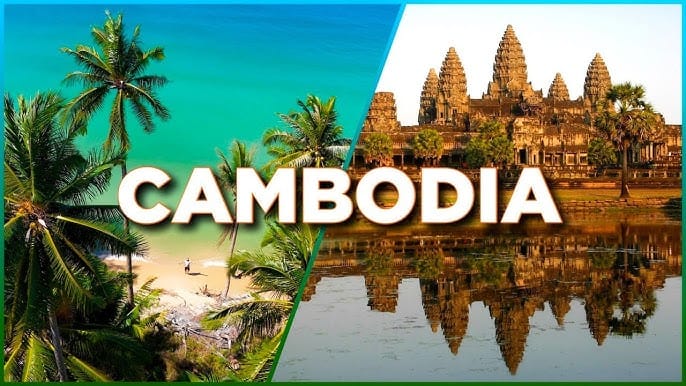
Cambodia is a land where ancient history and modern culture blend seamlessly under a tropical sun. As travelers look toward 2026, the country remains a top destination for those seeking spiritual growth and historical enlightenment. Exploring the many tourist and archaeological sites in Cambodia offers a profound journey into the heart of the once-mighty Khmer Empire.
From the sprawling complexes of Siem Reap to the hidden gems in the northern jungles, every stone tells a story of gods and kings. This guide highlights the most significant locations you should include in your next itinerary. Prepare to be amazed by the architectural ingenuity and the enduring spirit of the Cambodian people.
Best 10 Tourist and Archaeological Sites in Cambodia 2026
1. Exploring Angkor Wat: The Premier Tourist and Archaeological Sites in Cambodia
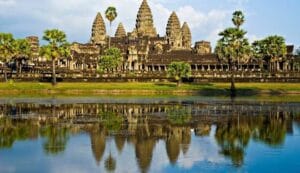
Angkor Wat is the undisputed crown jewel of Southeast Asia and a symbol of national pride. Built by King Suryavarman II in the 12th century, it was originally dedicated to the Hindu god Vishnu before becoming a Buddhist temple. The scale of the moat and the precision of the bas-reliefs continue to baffle modern engineers and historians alike.
To make the most of your visit, arrive at the main gate by 5:00 AM to witness the iconic sunrise. The reflection of the five towers in the lotus ponds provides a perfect photographic opportunity. Remember to dress respectfully by covering your shoulders and knees, as this is still an active place of worship for many locals.
After the sun rises, head straight to the upper galleries to avoid the mid-morning heat and the largest crowds. Hiring a certified local guide is highly recommended to understand the complex mythology depicted in the wall carvings. These experts can explain the “Churning of the Ocean of Milk,” a masterpiece of ancient storytelling found in the eastern gallery.
2. Bayon Temple and the Enigmatic Stone Faces
Located at the exact center of the ancient city of Angkor Thom, Bayon Temple is famous for its 216 massive stone faces. These faces, believed to represent the Bodhisattva Avalokiteshvara or King Jayavarman VII, gaze serenely in every direction. The temple’s architecture is unique because it was built as a Mahayana Buddhist shrine, reflecting a shift in the empire’s religious landscape.
As you wander through the narrow corridors, you will notice that the tourist and archaeological sites in Cambodia often feature detailed depictions of everyday life. The outer walls of Bayon showcase scenes of markets, fishing, and ancient battles. This provides a rare glimpse into how ordinary Khmer people lived nearly a millennium ago.
The best time to visit Bayon is during the late afternoon when the sun hits the stone faces at a low angle. This creates deep shadows that emphasize the mysterious smiles of the statues. Because the corridors are cramped, try to move slowly and allow others to pass in the tighter sections of the upper terrace.
3. Ta Prohm: The Jungle Temple Experience
Ta Prohm is widely recognized for its appearance in the “Tomb Raider” movies, where massive silk-cotton trees grow directly out of the ruins. Unlike other temples that were meticulously restored, Ta Prohm was left in a state of “photogenic neglect.” The sight of giant roots strangling the ancient stonework creates a hauntingly beautiful atmosphere.
This site serves as a powerful reminder of the strength of nature over man-made structures. Conservationists work carefully to ensure the trees do not collapse the buildings while maintaining the jungle aesthetic. It is one of the most popular tourist and archaeological sites in Cambodia, so visiting early in the morning is essential for a quiet experience.
While walking through the temple, stay on the wooden walkways provided to protect the fragile floor stones. Keep an ear out for the sounds of the surrounding jungle, which add to the immersive experience. Do not touch the moss-covered walls, as the oils from human skin can damage the ancient sandstone over time.
4. Koh Ker: The Pyramid of the North
For travelers looking to escape the crowds of Siem Reap, Koh Ker offers a breathtaking alternative. This 10th-century capital features Prasat Thom, a seven-tiered sandstone pyramid that looks more like a Mayan structure than a traditional Khmer temple. It stands 36 meters tall and offers panoramic views of the surrounding forest from the top.
The site remained hidden and inaccessible for decades due to its remote location and the presence of landmines, which have now been cleared. Today, it is recognized as a UNESCO World Heritage site, highlighting its importance among the tourist and archaeological sites in Cambodia. The surrounding area contains dozens of smaller temples, many of which are still partially buried in the earth.
A trip to Koh Ker requires a full day, as it is about a two-hour drive from Siem Reap. Most visitors combine this trip with a stop at Beng Mealea to maximize their time in the northern provinces. Be sure to bring plenty of water and sun protection, as the open layout of the pyramid offers very little shade.
5. Preah Vihear: The Temple in the Clouds
Preah Vihear is a spectacular mountain temple perched on a 525-meter cliff in the Dangrek Mountains. It was built over several centuries by different Khmer kings, resulting in a unique blend of architectural styles. The site is famous for its long processional walkways and its dramatic position overlooking the plains of northern Cambodia.
Because of its location on the border with Thailand, the temple was a subject of territorial disputes for years. However, it is now safe and easily accessible for international travelers. The view from the “Pee Ta Di” cliff at the end of the complex is arguably the most beautiful vista in the entire country.
To reach the summit, you must hire a 4×4 vehicle or a motorbike taxi at the base of the mountain. The road is incredibly steep and provides an adventurous start to your visit. Ensure you have your passport with you, as there are occasionally checkpoints near the border area for security purposes.
6. Banteay Srei: A Masterpiece of Red Sandstone Tourist and Archaeological Sites in Cambodia
Banteay Srei is often called the “Citadel of the Women” because of the delicate beauty of its carvings. Built in the 10th century, it is unique because it was not commissioned by a king, but by a wealthy counselor. The temple is constructed from pinkish sandstone, which allowed for incredibly intricate and deep carvings that remain sharp today.
While much smaller than Angkor Wat, Banteay Srei is considered by many to be the peak of Khmer classical art. The lintels and pediments are covered in scenes from the Ramayana, executed with a level of detail found nowhere else. It is a vital stop for anyone interested in the artistic history of the tourist and archaeological sites in Cambodia.
Because the temple is small, it can feel very crowded when tour buses arrive. Try to visit at 7:30 AM when the site opens to enjoy the pink stone glowing in the soft morning light. The surrounding landscape includes a small traditional village and a lotus farm, which are worth exploring on your way back.
7. Sambor Prei Kuk: The Pre-Angkorian Wonder
Sambor Prei Kuk predates the Angkor period and served as the capital of the Chenla Empire. Located in Kampong Thom province, this site features unique octagonal brick temples that are over 1,400 years old. It is an essential destination for those who want to understand the evolution of Khmer architecture before the use of sandstone.
The atmosphere here is much more peaceful than in Siem Reap, with many ruins scattered through a quiet forest. The site was added to the UNESCO World Heritage list in 2017, sparking a renewed interest in these ancient brick structures. It is one of the most historically significant tourist and archaeological sites in Cambodia for academic researchers.
Renting a bicycle is the best way to move between the three main clusters of temples. The local community runs the tourism initiatives here, so your visit directly supports the preservation of the area and the livelihoods of the villagers. Wear comfortable walking shoes, as some paths can be sandy or uneven.
8. Phnom Kulen: The Sacred Mountain
Phnom Kulen is considered the most sacred mountain in Cambodia and is a popular pilgrimage site for locals. It was here in 802 AD that Jayavarman II declared himself a “universal monarch,” marking the birth of the Khmer Empire. The park features a giant reclining Buddha, a beautiful waterfall, and the “River of a Thousand Lingas.”
The riverbed is carved with hundreds of phallic symbols representing the Hindu god Shiva, designed to bless the water as it flows toward Angkor. This site offers a different perspective on the tourist and archaeological sites in Cambodia by blending natural beauty with spiritual significance. It is a place where history feels very much alive through modern religious practices.
Most visitors enjoy a refreshing swim in the pools at the base of the waterfall after exploring the ruins. There are many small stalls selling local snacks like grilled chicken and bamboo sticky rice. Plan to spend at least half a day here, and consider visiting on a weekday to avoid the large local crowds that gather on Sundays.
9. Beng Mealea: The Raw Beauty of Ruins
Beng Mealea is a massive temple that remains largely unrestored and consumed by the jungle. It follows the same floor plan as Angkor Wat but offers a much more rugged and adventurous experience. You can walk over fallen blocks and through dark galleries that have been reclaimed by vines and moss.
For many, this is the most atmospheric of all the tourist and archaeological sites in Cambodia. Wooden walkways have been installed to allow safe passage through the most unstable areas, but some exploration still requires climbing over stones. The lack of detailed restoration allows you to see the temple exactly as early explorers might have found it.
The site is located about 40 kilometers east of Siem Reap and is best visited in the early morning. The damp environment means the stones can be slippery, so wear shoes with good grip. It is also a great place to observe how the local community lives in harmony with these massive ancient structures.
10. The Royal Palace and Silver Pagoda in Phnom Penh
While most ancient sites are in the north, the capital city of Phnom Penh houses the stunning Royal Palace complex. Built in the 1860s, it serves as the official residence of the King of Cambodia. The Silver Pagoda, located within the palace grounds, is named for its floor which is covered with five tons of solid silver tiles.
Inside the pagoda, you will find the “Emerald Buddha” of Cambodia and a life-sized gold Buddha decorated with thousands of diamonds. This site highlights the continuity of Khmer royal traditions and religious devotion into the modern era. It is a shining example of the diverse tourist and archaeological sites in Cambodia that span different historical periods.
Strict dress codes are enforced here; both men and women must cover their shoulders and wear trousers or skirts that reach below the knee. The palace is usually closed for a few hours at midday, so check the schedule before heading out. Photography is allowed in the gardens but strictly prohibited inside the temples and palace buildings.
Frequently Asked Questions (FAQs)
What is the best time of year to visit Cambodia?
The best time to visit is during the dry season, from November to February. The weather is cooler and much more comfortable for exploring the outdoor temple complexes. However, this is also the peak tourist season, so expect larger crowds at popular locations.
Do I need a visa to enter Cambodia in 2026?
Most international travelers require a visa to enter the country. You can typically apply for an e-visa online before your trip or obtain a visa on arrival at major airports. Always check the latest government regulations before booking your travel, as requirements can change.
What currency should I use at tourist sites?
The US Dollar is widely accepted and often preferred in Cambodia, especially for larger purchases and hotel bills. However, the local currency, the Cambodian Riel, is used for smaller transactions and change. It is helpful to carry a mix of both, ensuring your US bills are crisp and free of tears.
Is it safe to visit remote archaeological sites?
Yes, the major tourist and archaeological sites in Cambodia are safe for visitors. The government and various NGOs have worked for years to clear landmines and improve road infrastructure. When visiting remote areas, it is always best to stay on marked paths and hire a local guide who knows the terrain.
Conclusion
Cambodia is a destination that stays in the heart of every traveler long after they return home. The sheer scale and artistic detail found within the tourist and archaeological sites in Cambodia provide a deep sense of wonder and respect for human history. Whether you are standing before the massive faces of Bayon or trekking to the cliffside heights of Preah Vihear, the experience is truly transformative.
As you plan your journey for 2026, remember to travel mindfully and respect the local customs that have preserved these sites for centuries. By exploring both the famous landmarks and the hidden jungle ruins, you will gain a complete picture of the Khmer spirit. Cambodia is waiting to share its ancient secrets with those who are ready to explore.