Welcome! Today, as usual, I was thinking about finding a list of the 13 best tourist and historical sites in a particular country. Today, my thoughts were on El Salvador, and frankly, I didn’t have enough information to speak confidently. Wanting to know the best places there, I needed clear, objective facts, not just random opinions. So, I turned to my friend, the expert in everything: artificial intelligence.
So, I picked up my phone, opened it, and launched the AI application, hoping to get a globally accurate answer.
So I asked him: What are the top 13 tourist and archaeological sites in El Salvador regarding this subject, which are considered the best tourist attractions, archaeological sites, heritage places, and must-see destinations that I absolutely must know?
He replied: El Salvador is a small country with an exceptionally rich cultural and natural history. Its sites reflect ancient Indigenous civilizations, Spanish colonial layers, volcanic landscapes, lakes, beaches, and living traditions. I will give you a careful, globally accurate list that is practical for travelers and respectful of the country’s archaeological and tourism heritage.
13 Best Tourist and Archaeological Sites in El Salvador (2026 Travel Guide)
1. Joya de Cerén
Joya de Cerén is one of the most important archaeological sites in the Americas. It preserves an ancient Maya farming village that was buried by volcanic ash around the 6th century CE, which helped protect homes, tools, and daily-life evidence in remarkable detail. It is often called the “Pompeii of the Americas,” but it has its own independent value because it shows ordinary Maya life, not elite palaces. For anyone studying tourism or archaeology in El Salvador, Joya de Cerén is essential because it connects science, heritage, and human history in one place.
2. Tazumal
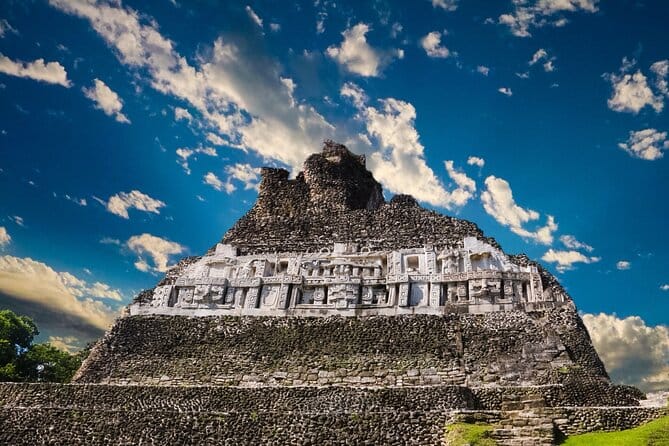
Tazumal is one of the most famous pre-Columbian archaeological sites in El Salvador. Located in Chalchuapa, it contains a major pyramid complex linked to the Maya civilization and broader Mesoamerican trade networks. The site shows long cultural development, including influence from different periods and peoples. It is critically important because it helps explain how ancient societies in Central America grew, adapted, and exchanged ideas over centuries.
3. San Andrés Archaeological Site
San Andrés is a major ancient ceremonial and administrative center in the Zapotitán Valley. It was occupied by Maya communities and later shaped by regional political and economic changes. The site is valuable because it shows how ancient urban life in El Salvador worked in relation to agriculture, authority, and ritual life. For visitors, it offers a clearer picture of organized ancient society beyond the better-known pyramid sites.
4. Casa Blanca Archaeological Site
Casa Blanca, also in Chalchuapa, is a key archaeological area with structures, museums, and important evidence of ancient settlement. It is linked to multiple cultural phases and helps researchers understand continuity and change in western El Salvador. This site matters because it demonstrates that El Salvador’s past is not one single culture or one single period, but a long sequence of human presence and adaptation.
5. Cihuatán
Cihuatán is one of the most intriguing archaeological sites in El Salvador because it belongs to the postclassic period and reflects influences from central Mexico and local traditions. It is associated with a large urban center and complex social organization. Cihuatán is critically important because it expands the historical story beyond the classic Maya period and shows how societies changed after earlier centers declined.
6. Joya de Cerén Archaeological Park Area
The wider protected area around Joya de Cerén deserves recognition as a tourism site, not only the excavated village itself. The landscape and interpretation around the site help visitors understand the role of volcanoes in shaping life in El Salvador. This matters because tourism here is not only about seeing ruins; it is about understanding the relationship between people, land, and disaster resilience.
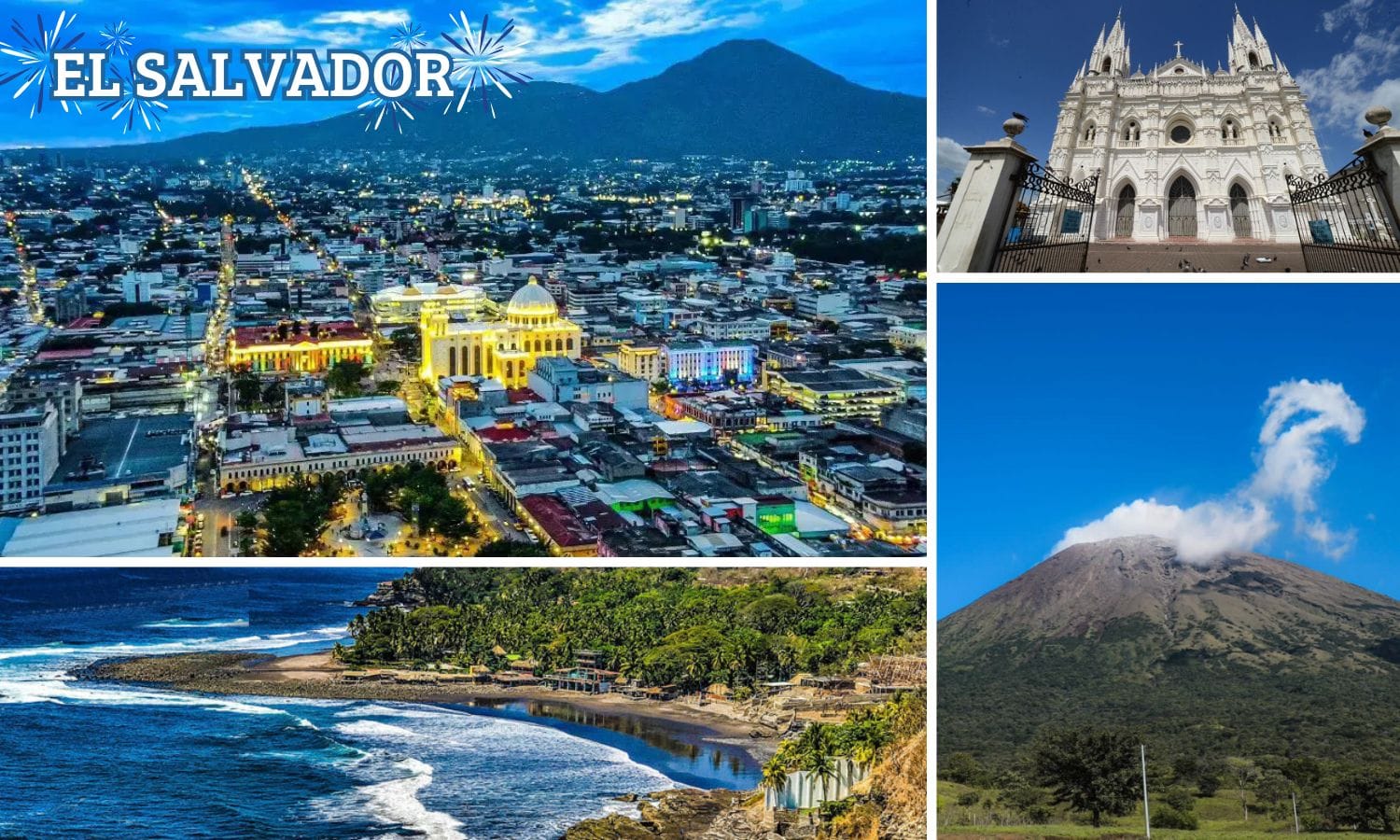
7. Santa Ana Volcano and Coatepeque Lake
Santa Ana Volcano, also known as Ilamatepec, and nearby Coatepeque Lake are among the most striking natural tourism sites in El Salvador. The volcano offers dramatic scenery, hiking opportunities, and a direct view of the country’s volcanic identity. Coatepeque Lake, a volcanic caldera lake, is famous for its blue water and resort areas. Together, they are essential because El Salvador’s tourism is strongly tied to geology, landscapes, and outdoor travel.
8. Suchitoto
Suchitoto is one of the most beautiful colonial towns in El Salvador. It is known for cobblestone streets, historic buildings, a strong arts scene, and views of Lake Suchitlán. While it is not an ancient archaeological site, it is a major cultural heritage destination. It matters because it shows the Spanish colonial and postcolonial layer of Salvadoran history in a living, walkable form.
9. San Salvador Historic Center
The Historic Center of San Salvador is important for understanding the modern political, religious, and civic evolution of the country. It includes major landmarks, plazas, churches, and public buildings that reflect colonial roots and modern national identity. As a tourism site, it is valuable because it gives visitors access to the capital’s layered urban story and to the social heart of the nation.
10. El Imposible National Park
El Imposible National Park is one of the most important protected natural sites in El Salvador. It contains rich biodiversity, rugged terrain, and hiking paths through tropical forest ecosystems. Its importance goes beyond scenery because conservation areas like this protect water systems, wildlife, and climate resilience. For tourism, it is vital because many travelers now seek nature, eco-tourism, and responsible outdoor experiences.
11. Bahía de Jiquilisco
Bahía de Jiquilisco is one of the most important coastal and wetland ecosystems in the country. It is known for mangroves, wildlife, and ecological value, especially for birds and marine life. This site is critically important because it represents a very different side of El Salvador tourism: environmental heritage, conservation, and sustainable travel along the Pacific coast.
12. Ruta de Las Flores
Ruta de Las Flores is a scenic tourism route through mountain towns, coffee landscapes, local markets, and cultural stops. It is not an archaeological site, but it is one of the best ways to experience the country’s living heritage, food, and rural identity. It matters because tourism is not only about ancient ruins; it is also about communities, local economies, and everyday culture.
13. Church and National Heritage Sites in Izalco and Sonsonate
The heritage areas of Izalco and Sonsonate are important for understanding Indigenous memory, colonial history, and religious traditions in western El Salvador. Izalco is especially meaningful because of its deep Indigenous and historical identity, while Sonsonate reflects regional colonial development. These sites are important because they preserve historical continuity and help visitors understand how different layers of Salvadoran identity remain visible today.
Deepening the Dialogue: Practical Questions for Travelers and History Lovers
I asked him to give me a few indispensable questions that every traveler and heritage lover should ask before planning a visit.
He agreed, and the answers were refreshingly practical.
I asked him: Which of these 13 sites is best for first-time visitors who want both archaeology and easy access?
“He replied: Joya de Cerén is often the best starting point because it is world-class, relatively easy to understand, and extremely well explained. If you want a second site, Tazumal is a strong choice because it is visually impressive and historically significant. Together, they give a clear introduction to the ancient history of El Salvador.”
I asked him: Which sites are best if I want nature, not only ruins?
“He replied: Santa Ana Volcano and Coatepeque Lake are excellent for dramatic landscapes, while El Imposible National Park and Bahía de Jiquilisco are ideal for eco-tourism. These places show that El Salvador is not only an archaeological destination but also a country of volcanoes, forests, wetlands, and coastal biodiversity.”
I asked him: How should travelers respect archaeological and heritage sites in El Salvador?
“He replied: Travelers should follow site rules, avoid touching fragile structures, stay on marked paths, do not remove stones or artifacts, and support local guides and museums. Respect matters because these places are not just tourist attractions; they are protected records of human history and community identity.”
Conclusion
I am amazed by the sheer value and accuracy of the information I just received. I started out not knowing much, but now I possess highly valuable knowledge about this topic. To summarize, understanding these elements truly changes how we view the whole field. I realized the profound importance of tourist attractions, archaeological sites, heritage places, eco-tourism, and cultural landmarks and how they shape our understanding of the world.