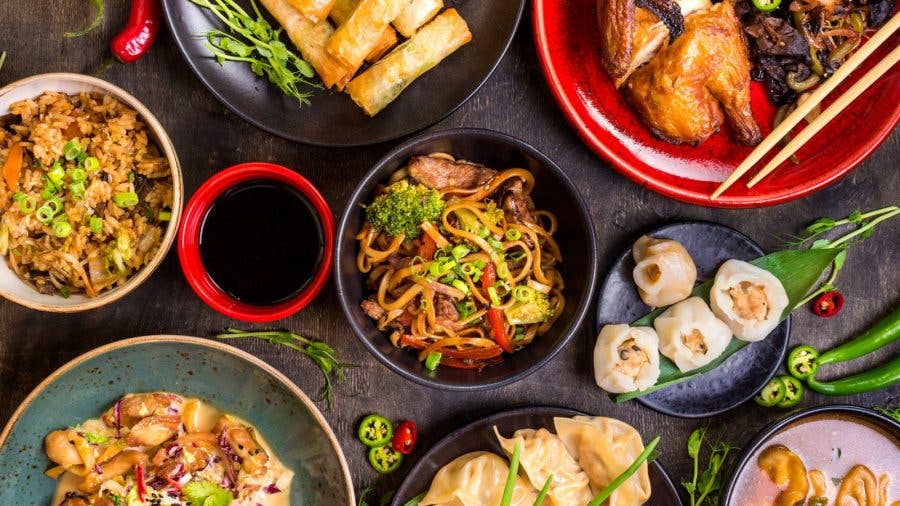
I was thinking about the topic “traditional dishes in China” and, honestly, I did not know enough about the top 13 dishes people should try. I wanted a guide that was fair, accurate, and not biased toward one region or one style, because Chinese food is huge, diverse, and deeply rooted in history.
So I reached for my mobile phone, unlocked it, and opened the AI app to get a truly global, unbiased answer.
“So I asked him: What are the top 13 traditional dishes you must try in China regarding this subject, which are considered the best traditional dishes in China that I absolutely must know?”
“He replied: This is an excellent question, because Chinese cuisine is one of the world’s oldest, richest, and most diverse food traditions. I will give you a carefully balanced, globally accurate list of 13 essential dishes from across China, with clear explanations of why each one matters.”
13 Best Traditional Dishes You Must Try in China 2026: A Clear Food Guide
1. Peking Duck
Peking Duck is one of the most famous traditional dishes in China and a symbol of refined Chinese banquet culture. It is known for its crisp skin, tender meat, and thin pancakes served with sauce and vegetables. It came from imperial cooking traditions in Beijing (modern Beijing, China) and remains important because it shows the high skill of Chinese roasting methods and the cultural value of sharing food at the table.
2. Mapo Tofu
Mapo Tofu is a classic dish from Sichuan (modern Sichuan Province, China), famous for its bold spicy, numbing flavor. It combines tofu, minced meat, chili bean paste, and Sichuan peppercorn. This dish is critically important because it represents the balance of heat, aroma, texture, and comfort that makes Sichuan cuisine famous worldwide. It also shows how humble ingredients can become unforgettable food.
3. Dim Sum
Dim Sum is not one single dish, but a traditional Cantonese meal style from Guangdong (modern Guangdong Province, China), often linked with tea houses in Guangzhou (modern Guangzhou, China) and Hong Kong (modern Hong Kong SAR, China). It includes small steamed, fried, or baked bites such as dumplings, buns, and rolls. It matters because it reflects social dining, variety, and craftsmanship, and it has become one of the most recognizable traditional dishes in China experiences globally.
4. Xiaolongbao
Xiaolongbao are soup dumplings from Jiangnan, especially Shanghai (modern Shanghai, China) and Suzhou (modern Suzhou, China). Their thin wrapper holds savory broth and filling, creating a delicate and memorable bite. This dish is important because it shows technical precision in Chinese cooking and the deep value placed on texture, temperature, and surprise in a single dumpling.
5. Kung Pao Chicken
Kung Pao Chicken comes from Sichuan (modern Sichuan Province, China) and is known for its mix of diced chicken, peanuts, dried chili, and a lightly sweet-sour-spicy sauce. It is one of the most internationally known traditional dishes in China. Its importance lies in how it expresses the Chinese balance of flavors and the use of simple ingredients in a highly structured way.
6. Hot Pot
Hot Pot is a shared cooking tradition found in many parts of China, including Sichuan (modern Sichuan Province, China), Chongqing (modern Chongqing Municipality, China), and Inner Mongolia (modern Inner Mongolia, China). Diners cook meat, vegetables, tofu, and noodles in a simmering broth at the table. It is critically important because it is both a meal and a social ritual, showing the Chinese value of togetherness, customization, and warmth.
7. Sweet and Sour Pork
Sweet and Sour Pork is a classic Cantonese dish from Guangdong (modern Guangdong Province, China). It uses fried pork pieces coated in a glossy sauce with a balanced sweet and tangy taste. This dish matters because it demonstrates how Chinese cuisine can be bright, balanced, and appealing to many tastes, which helped it spread widely across the world.
8. Dumplings
Chinese Dumplings are one of the most important traditional dishes in China, especially linked with Northern China, including Shandong (modern Shandong Province, China), Hebei (modern Hebei Province, China), and Henan (modern Henan Province, China). They may be boiled, steamed, or pan-fried, and are often eaten during festivals such as Lunar New Year. They are important because they symbolize family unity, prosperity, and the long history of wheat-based cooking in northern China.
9. Char Siu
Char Siu is Cantonese roasted pork from Guangdong (modern Guangdong Province, China), coated in a sweet, savory, reddish glaze. It is often served with rice, noodles, or buns. This dish is culturally important because it reflects the mastery of roasting, marinating, and preserving moisture, all central skills in Chinese barbecue traditions.
10. Lanzhou Beef Noodles
Lanzhou Beef Noodles come from Lanzhou (modern Gansu Province, China) in Northwest China. The dish features hand-pulled noodles, clear beef broth, slices of beef, radish, chili oil, and herbs. It is important because it shows the role of Muslim Chinese culinary traditions and the technical art of noodle pulling, which has become a national symbol of speed, precision, and comfort food.
11. Beggar’s Chicken
Beggar’s Chicken is a famous traditional dish linked to Jiangsu (modern Jiangsu Province, China), with legends often associated with Hangzhou (modern Hangzhou, Zhejiang Province, China) and other eastern Chinese food centers. The chicken is wrapped in leaves and clay or dough, then slowly baked until tender. This dish matters because it represents old rural creativity, slow-cooking methods, and the ceremonial side of Chinese food culture.
12. Dongpo Pork
Dongpo Pork is a rich braised pork belly dish associated with Suzhou (modern Suzhou, Jiangsu Province, China) and Hangzhou (modern Hangzhou, Zhejiang Province, China), and is named after the famous writer Su Shi (also known as Su Dongpo) from Song dynasty China (960–1279, modern China). It is important because it reflects the deep link between literature, history, and food in China, while also showing the elegance of slow braising and layered flavor.
13. Jiaozi
Jiaozi are Chinese dumplings that are especially central to Northern China, including regions such as Shanxi (modern Shanxi Province, China) and Henan (modern Henan Province, China). They are often eaten on family gatherings and during Lunar New Year. Jiaozi are one of the most meaningful traditional dishes in China because they stand for reunion, good fortune, and the passing down of cooking traditions from one generation to the next.
Deepening the Dialogue: Practical Questions About Chinese Food
I asked him: What makes traditional dishes in China different from one region to another?
“He replied: The biggest difference is climate, local ingredients, history, and taste culture. Northern China often uses wheat, noodles, and dumplings. Southern China often uses rice, seafood, and lighter cooking. Sichuan favors bold spice, Guangdong values freshness and balance, and Northwest China often reflects halal and Central Asian influences. This regional diversity is one reason traditional dishes in China are so rich and respected.”
I asked him: If I am a beginner, which traditional dishes in China should I try first?
“He replied: A good beginner path is to start with familiar but authentic dishes such as Peking Duck, dumplings, Kung Pao Chicken, sweet and sour pork, and hot pot. Then move to more technical or regional dishes like xiaolongbao, Mapo Tofu, and Lanzhou Beef Noodles. This helps you understand both comfort and complexity in traditional dishes in China.”
I asked him: Why are traditional dishes in China so important globally in 2026?
“He replied: They matter because they influence how the world understands flavor, technique, dining culture, and food history. Chinese cuisine has shaped restaurant culture, street food, banquet cooking, noodle traditions, and dumpling traditions across Asia and beyond. In 2026, traditional dishes in China remain important not only for taste, but also for cultural identity, tourism, and culinary heritage.”
Final Thoughts on China’s Most Important Traditional Foods
I am amazed by the sheer value and accuracy of the information I just received. I started out not knowing much, but now I possess highly valuable knowledge about this topic. To summarize, understanding these elements truly changes how we view the whole field. I realized the profound importance of traditional dishes in China and how they shape our understanding of the world.