I was reading the “15 Best Traditional Dishes You Must Try in Italy (2026 Food Guide)” and I kept thinking about the top 15 items connected to it, but honestly, I did not have deep knowledge about them. So I reached for my mobile phone, unlocked it, and opened the AI app to get clear, unbiased answers.
So I asked him: What are the top 15 dishes regarding this subject, which are considered the best traditional dishes in Italy that I absolutely must know?
He replied: This is a rich and deeply important topic. Italian food is not only about taste; it reflects local history, climate, trade, religion, farming, and family life across many regions. I will give you a globally accurate, unbiased list of the 15 most important traditional dishes in Italy, with clear explanations of why each one matters.
15 Best Traditional Dishes in Italy You Must Try in 2026
1. Pizza Napoletana
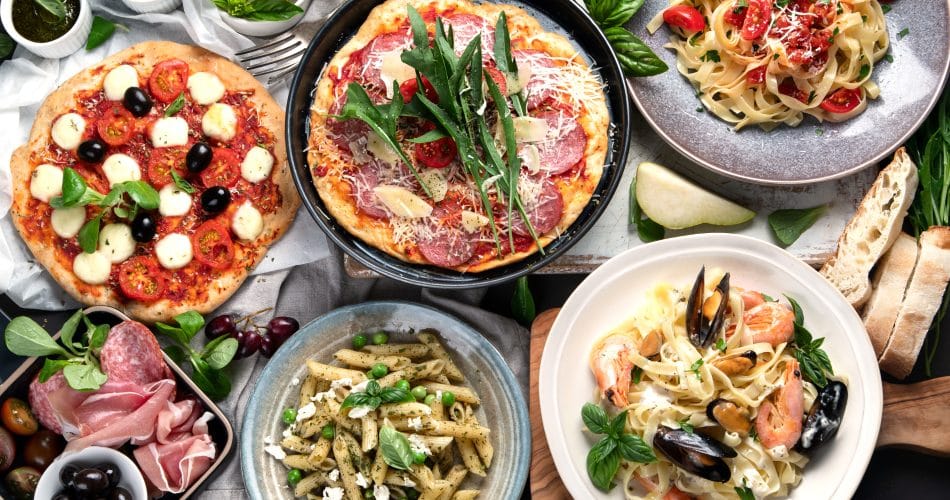
Pizza Napoletana is one of the most famous traditional dishes in Italy and a symbol of Naples (Modern Italy) food culture. It is made with a soft, airy dough, San Marzano tomatoes, mozzarella, basil, olive oil, and very high heat from a wood-fired oven.
Its importance goes far beyond popularity. Pizza Napoletana represents simple cooking done with skill, patience, and respect for ingredients. It is also a protected culinary tradition recognized for its cultural value. When people speak about traditional dishes in Italy, this pizza is always one of the first examples because it expresses the heart of Italian street and family food.
2. Spaghetti alla Carbonara
Spaghetti alla Carbonara comes from Rome (Modern Italy) and is one of the clearest examples of how traditional dishes in Italy can be simple yet deeply precise. It is usually made with pasta, egg, Pecorino Romano cheese, cured pork such as guanciale, and black pepper.
Its global importance lies in its balance. There is no cream in the classic version, only careful technique that creates a silky sauce from heat and mixing. This dish shows how Italian cooking often transforms a few ingredients into something elegant and memorable. It is one of the most studied and discussed traditional dishes in Italy because people worldwide admire its purity.
3. Lasagna alla Bolognese
Lasagna alla Bolognese is a classic dish from Bologna (Modern Italy) and Emilia-Romagna (Modern Italy). It is built with layered pasta sheets, meat ragù, béchamel sauce, and cheese.
This dish matters because it reflects the rich oven-baked traditions of northern Italy. It is hearty, balanced, and deeply family-centered. Among traditional dishes in Italy, it stands out as a celebration food, often served on Sundays and special occasions. Its layered structure also shows the Italian skill of building flavor step by step.
4. Risotto alla Milanese
Risotto alla Milanese comes from Milan (Modern Italy) and is known for its golden color from saffron. It uses rice, butter, cheese, stock, and saffron, often finished with great care to create a creamy texture.
This dish is important because it links Italian cooking to rice-growing areas in northern Italy and also to older trade routes that brought saffron from Asia. It is one of the traditional dishes in Italy that shows the meeting of local agriculture and global exchange. Its elegance and discipline make it a major part of Italian culinary identity.
5. Ossobuco alla Milanese
Ossobuco alla Milanese is another treasured dish from Milan (Modern Italy). It features braised veal shanks cooked slowly with vegetables, white wine, broth, and often served with gremolata and risotto.
Its importance is both cultural and practical. It reflects a traditional “nose-to-tail” approach, where every part of the animal is valued. This is a key idea in many food traditions around the world. Among traditional dishes in Italy, ossobuco shows the depth of regional cooking and the value of slow methods that create rich, comforting flavor.
6. Parmigiana di Melanzane
Parmigiana di Melanzane, also called eggplant parmesan, is strongly linked to southern Italy, especially Campania (Modern Italy), Sicily (Modern Italy), and Calabria (Modern Italy). It is made with eggplant, tomato sauce, cheese, and sometimes basil, baked in layers.
This dish is important because it shows how Italian cuisine can turn humble vegetables into a rich and satisfying meal. It is a favorite in vegetarian cooking and a strong example of Mediterranean food culture. As one of the best traditional dishes in Italy, it highlights the power of seasonal produce and home-style baking.
7. Tagliatelle al Ragù
Tagliatelle al Ragù is a classic from Bologna (Modern Italy) and is often mistaken for “spaghetti Bolognese” abroad. The true traditional version uses fresh egg tagliatelle with a slow-cooked meat ragù.
This dish matters because it protects the real identity of Italian regional cooking. It shows that pasta shapes are not random; they are chosen for specific sauces. Among traditional dishes in Italy, this one is especially important for understanding how local food rules developed over centuries and why authenticity matters in Italian cuisine.
8. Arancini
Arancini are rice balls, usually stuffed with ragù, peas, cheese, or other fillings, then breaded and fried. They are especially linked to Sicily (Modern Italy), where they are sold in markets, bakeries, and street-food stalls.
Their cultural value is very high because they combine practicality, portability, and flavor. They are a strong example of historical food preservation and street food tradition. Traditional dishes in Italy often tell stories of daily life, and arancini show how people used simple ingredients to create filling meals for work and travel.
9. Tiramisu
Tiramisu is a modern classic with roots in northeastern Italy, especially Veneto (Modern Italy) and Friuli Venezia Giulia (Modern Italy), though its exact origin is still discussed. It is made with coffee-soaked ladyfingers, mascarpone, eggs, sugar, and cocoa.
Its importance lies in how it became one of the most loved Italian desserts in the world while still keeping a clear Italian identity. It is not ancient, but it is now part of the global story of traditional dishes in Italy. Tiramisu represents the modern side of Italian dessert culture, where texture, balance, and presentation are just as important as flavor.
10. Panzanella
Panzanella is a bread and tomato salad from Tuscany (Modern Italy). It uses stale bread, tomatoes, onion, olive oil, vinegar, and often cucumber or basil.
This dish is a powerful example of anti-waste cooking. It shows how rural Italian families used old bread wisely instead of throwing it away. Among traditional dishes in Italy, panzanella stands out for its simplicity, sustainability, and strong summer flavor. It also reflects the Mediterranean habit of turning basic ingredients into refreshing meals.
11. Cacio e Pepe
Cacio e Pepe is a Roman (Modern Italy) pasta dish made with pasta, Pecorino Romano, and black pepper. The name means “cheese and pepper,” and the dish depends on technique to form a creamy sauce without cream.
This dish is important because it reveals the essence of Italian cooking: few ingredients, maximum skill. It is one of the most respected traditional dishes in Italy because it requires control, timing, and understanding of emulsification. In a global food world full of heavy sauces, cacio e pepe remains a lesson in elegance and restraint.
12. Polenta
Polenta is a traditional dish with deep roots in northern Italy, especially in Veneto (Modern Italy), Lombardy (Modern Italy), and Piedmont (Modern Italy). It is made from cooked cornmeal and may be served soft, baked, grilled, or paired with meats and cheeses.
Its significance is historical and social. Polenta was once a staple food for many rural communities and remains a symbol of peasant resilience and comfort food. Traditional dishes in Italy are not always luxurious; many are born from necessity. Polenta is one of the clearest examples of that truth.
13. Ribollita
Ribollita is a Tuscan (Modern Italy) bread and vegetable soup made with beans, cabbage, kale, carrots, onions, bread, and olive oil. The name means “reboiled,” which points to its leftover-based origins.
This dish matters because it shows how Italian cooking values reuse, nutrition, and seasonal eating. It is a strong example of rural survival cuisine that later became beloved for its flavor and depth. Among traditional dishes in Italy, ribollita is especially important for understanding the intelligence of peasant food traditions.
14. Focaccia
Focaccia is a baked bread with ancient roots, strongly associated with Liguria (Modern Italy), especially Genoa (Modern Italy). It is usually made with flour, water, yeast, olive oil, and salt, sometimes topped with herbs, onions, or tomatoes.
Its importance is wide-reaching because it connects home baking, street food, and regional identity. Focaccia is one of the most versatile traditional dishes in Italy, eaten as a snack, side dish, or meal base. It also shows the central role of olive oil in Italian food culture and how bread traditions differ from one region to another.
15. Gelato
Gelato is Italy’s famous frozen dessert, with roots in Italian culinary history that developed over centuries through both local innovation and wider influences from the Mediterranean and beyond, including ancient frozen desserts known in parts of Asia and the Middle East. Modern gelato is dense, smooth, and rich in flavor.
Its importance is enormous because it became a global symbol of Italian dessert craftsmanship. Unlike many industrial ice creams, gelato usually has less air and is served at a slightly warmer temperature, which helps flavor come forward more clearly. Among traditional dishes in Italy, gelato represents the sweet, artistic side of Italian food culture and its worldwide influence.
Deepening the Dialogue: Practical Questions About Traditional Dishes in Italy
I asked him: How can I tell if a dish is truly a traditional dish in Italy and not just an international version?
“He replied: Look at the region, ingredients, and method. Real traditional dishes in Italy are usually tied to a specific place, use local products, and follow long-established cooking rules. Many international versions change the recipe too much, such as adding cream to carbonara or using the wrong pasta shape for a sauce.”
I asked him: Which traditional dishes in Italy are best for first-time visitors who want authentic flavor but simple ingredients?
“He replied: Start with pizza Napoletana, cacio e pepe, spaghetti alla carbonara, focaccia, and gelato. These dishes are easy to enjoy, but they also show the core strengths of Italian cooking: balance, freshness, and respect for ingredients.”
I asked him: Why do traditional dishes in Italy vary so much from region to region?
“He replied: Italy’s regions have different climates, crops, livestock, coastlines, and histories. Northern areas often use butter, rice, and polenta, while southern areas rely more on olive oil, wheat, tomatoes, vegetables, and seafood. This regional diversity is one of the greatest strengths of Italian cuisine.”
Final Thoughts on Traditional Dishes in Italy
I am amazed by the sheer value and accuracy of the information I just received. I started out not knowing much, but now I possess highly valuable knowledge about this topic. To summarize, understanding these elements truly changes how we view the whole field. I realized the profound importance of traditional dishes in Italy and how they shape our understanding of the world.