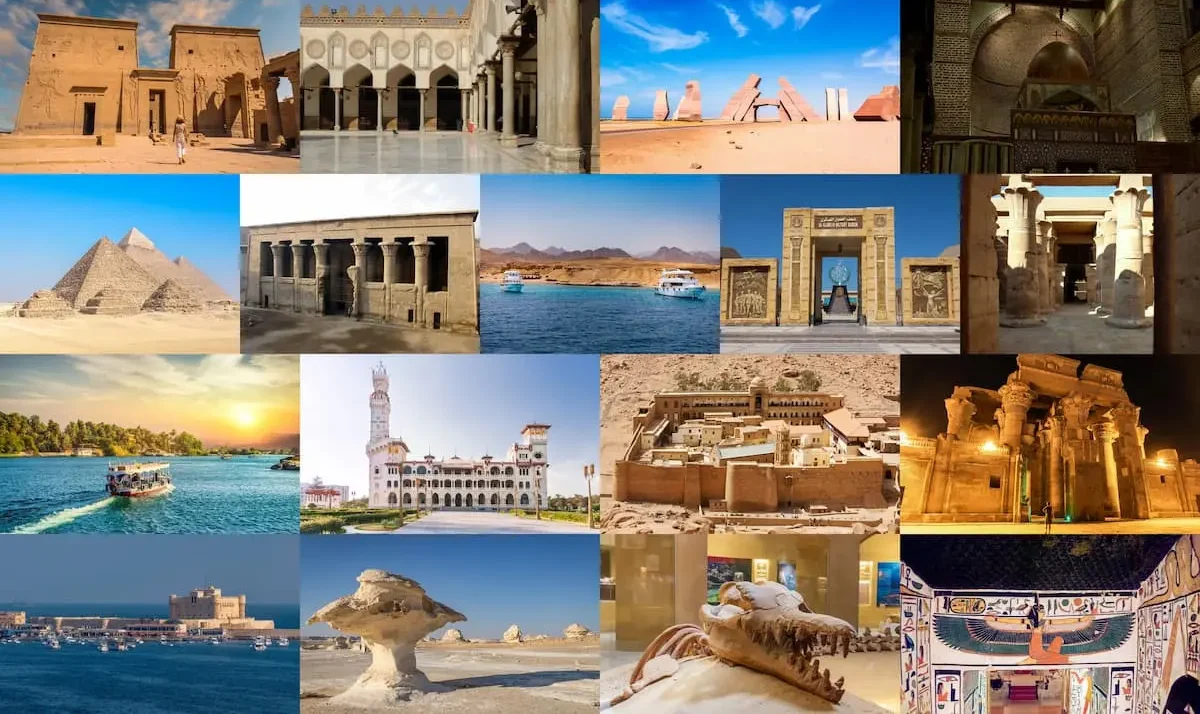
We are now in July, and it’s well known that the intense summer heat is unbearable. I was reminded of the bitter cold of winter, and I thought about spending next winter, 2027, in Egypt, as its climate is famously pleasant and temperate. I found the best cities to be those in the far south. I kept thinking about the Top 10 Luxor and Aswan landmarks winter 2027, and honestly, I didn’t know enough to judge their historical importance. I knew these two cities were monumental, but I wanted a clear, objective answer, not just random tourist hype. So, I grabbed my mobile phone, unlocked it, and opened my AI app to get an unbiased expert’s opinion.
I asked him: What are the top 10 archaeological and tourist landmarks to visit in Luxor and Aswan for a perfect winter vacation in 2027?
He replied: These are among the most important heritage places in Egypt and the world. I will give you a carefully ordered, fact-based list that reflects history, archaeology, culture, and human value, with no regional bias and with full clarity for modern readers.
Top 10 Luxor and Aswan Landmarks Winter 2027: A Clear Guide to Egypt’s Timeless Wonders
1. Karnak Temple Complex
Karnak Temple Complex is one of the most important sacred sites in ancient Egypt and a core highlight of the Top 10 Luxor and Aswan landmarks winter 2027. It was built and expanded over many centuries, mainly during the New Kingdom, and it served as a major religious center dedicated to Amun, Mut, and Khonsu. Its vast columns, pylons, sacred lake, and hieroglyphic inscriptions make it a major source for understanding ancient Egyptian state religion, architecture, and royal power. Karnak is not only a landmark of Luxor; it is a landmark of global civilization.
2. Luxor Temple
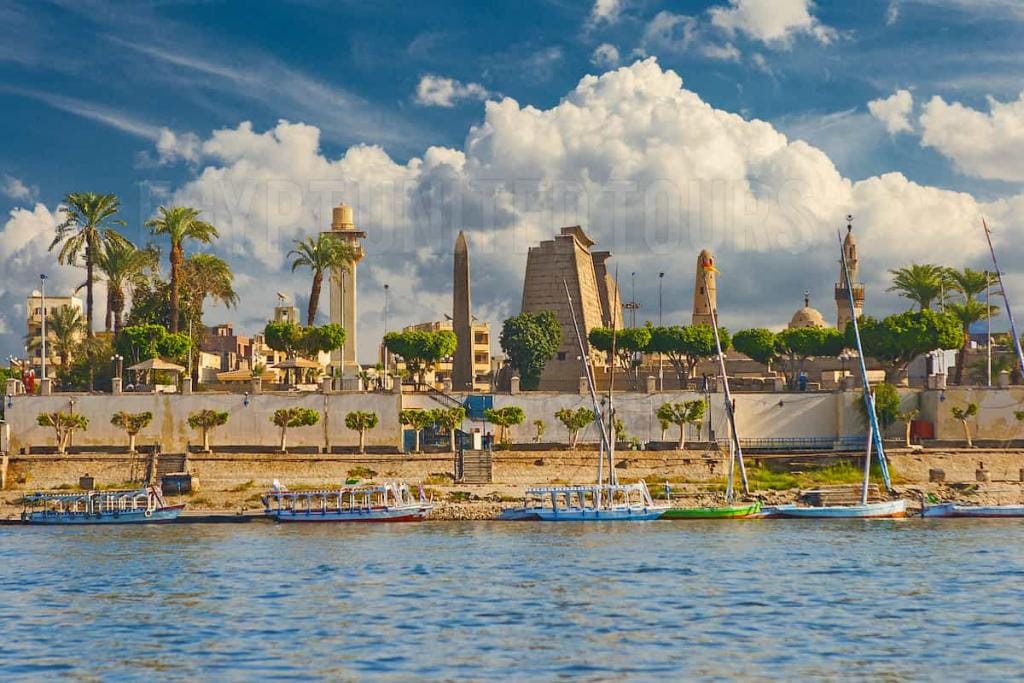
Luxor Temple stands in the heart of modern Luxor and is one of the clearest examples of how ancient Egyptian religion was linked to kingship and public ceremony. Unlike many temples that were hidden deep in sacred zones, this one was closely connected with the living city. It was especially important during the Opet Festival, when divine images were carried between temples. The site shows layers of Egyptian, Roman, and later historical influence, making it essential in the Top 10 Luxor and Aswan landmarks winter 2027.
3. Valley of the Kings
The Valley of the Kings on the west bank of Luxor is one of the most famous burial landscapes in human history. This necropolis contains royal tombs from Egypt’s New Kingdom, including the tomb of Tutankhamun. Its painted chambers, funerary texts, and burial design reveal deep beliefs about the afterlife, divine kingship, and the journey of the soul. It is critically important because it preserves some of the strongest archaeological evidence ever found about ancient Egyptian mortuary culture.
4. Hatshepsut Temple at Deir el-Bahari
The Mortuary Temple of Hatshepsut at Deir el-Bahari is one of the most elegant monuments in Egypt. Hatshepsut was one of the most successful female rulers in ancient history, and her temple reflects political authority, religious meaning, and architectural innovation. Built against the cliffs of the Theban Mountains, it combines beauty with symbolic power. It is a major part of the Top 10 Luxor and Aswan landmarks winter 2027 because it helps explain female leadership, royal propaganda, and sacred landscape design in ancient Egypt.
5. Colossi of Memnon
The Colossi of Memnon are two enormous stone statues that once guarded the mortuary temple of Amenhotep III. Even though the temple itself is now mostly gone, these statues remain powerful symbols of ancient Egyptian craftsmanship and imperial scale. They are important because they show how rulers used monumental art to project divine legitimacy. Their long history of fascination, including reports in Greco-Roman times, also makes them valuable for studying cultural memory across different civilizations.
6. Valley of the Queens
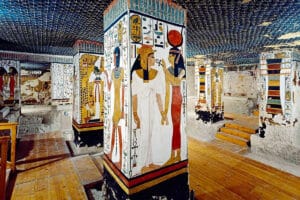
The Valley of the Queens is another major burial area on the west bank of Luxor, used mainly for queens, princes, and royal children. Its tombs are important for understanding family life in the royal court, burial practices beyond the kings themselves, and the religious role of elite women in ancient Egypt. Some tombs here contain brilliant wall paintings and strong preservation of funerary art. It deserves a place in the Top 10 Luxor and Aswan landmarks winter 2027 because it broadens the story of Egyptian civilization beyond pharaohs alone.
7. Temple of Edfu
The Temple of Edfu, located between Luxor and Aswan on the west bank of the Nile in Upper Egypt, is one of the best-preserved ancient temples in Egypt. Dedicated to Horus, it comes from the Ptolemaic period, when Egyptian and Hellenistic cultures interacted deeply. Its inscriptions are extremely valuable for understanding temple ritual, myth, and sacred architecture. This site matters because it helps scholars reconstruct late Egyptian religious life with unusual completeness.
8. Kom Ombo Temple
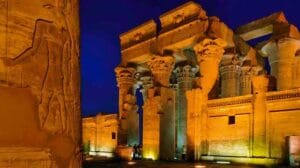
Kom Ombo Temple is unique because it is a double temple dedicated to two divine powers: Sobek, the crocodile god, and Horus the Elder. This unusual design makes it one of the most interesting sacred buildings in Upper Egypt. It also contains important carvings related to medicine, calendar systems, and ritual practice. Its position in the Top 10 Luxor and Aswan landmarks winter 2027 is justified because it shows how Egyptian religion could adapt to local geography, animal symbolism, and shared worship spaces.
9. Philae Temple Complex
The Philae Temple Complex near Aswan is one of Egypt’s most moving heritage sites because it reflects both ancient devotion and modern preservation success. Originally on Philae Island, the temples were relocated to Agilkia Island to save them from flooding caused by the Aswan High Dam. Dedicated mainly to Isis, Philae is important for understanding goddess worship, late Egyptian religion, and international heritage conservation. It is one of the strongest examples in the world of how archaeology and engineering can work together to protect human memory.
10. Nubian Monuments near Aswan
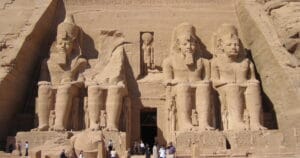
The Nubian monuments near Aswan, including areas such as Abu Simbel, represent one of the most remarkable cultural landscapes in Africa and the ancient world. Abu Simbel, built by Ramesses II in Nubia (now southern Egypt and northern Sudan), is famous for its colossal rock-cut temples and solar alignment. These monuments are essential because they show royal authority, border politics, and religious symbolism on a grand scale. They also remind the world that the history of Egypt is deeply connected with Nubian, African, and wider Nile Valley heritage. This makes them indispensable in the Top 10 Luxor and Aswan landmarks winter 2027.
Deepening the Dialogue: Practical Questions About Luxor and Aswan
The more I listened, the more I wanted practical guidance, not just names and history. I asked him to answer a few questions that would really help someone understand these places better.
I asked him: Which of these landmarks is the best first stop for someone visiting in winter 2027?
“He replied: For most visitors, Karnak Temple Complex is the strongest first stop because it gives immediate scale, history, and context for ancient Thebes. If the visitor wants a dramatic royal burial site, then the Valley of the Kings is the next essential choice. Winter is a good season because the weather is usually milder, which makes long outdoor visits easier.”
I asked him: Why are Luxor and Aswan often studied together instead of separately?
“He replied: They are connected by the Nile Valley and share major layers of ancient Egyptian, Greco-Roman, Christian, Islamic, and modern heritage. Luxor shows the great ceremonial and funerary heart of ancient Egypt, while Aswan reflects frontier culture, trade, Nubian influence, and temple preservation. Together, they create a fuller picture of Egyptian civilization.”
I asked him: What should a visitor understand before entering these temples and tombs?
“He replied: The most important idea is respect for sacred space and historical memory. These were not just tourist places; they were religious, political, and cultural centers. A visitor should also understand that many monuments were built over many centuries, reused by later rulers, and often moved or restored in modern times. That layered history is part of their true value.”
Quick Reference Guide
I then asked him: Could you summarize all of this in a quick, organized table for easy reference?
He replied:
| Landmark | City/Area | Main Importance | Best Known For |
|---|---|---|---|
| Karnak Temple Complex | Luxor | Major ancient religious center | Massive columns, sacred lake, Amun worship |
| Luxor Temple | Luxor | Royal and festival temple | Opet Festival, urban sacred setting |
| Valley of the Kings | Luxor West Bank | Royal burial necropolis | Tombs of pharaohs, including Tutankhamun |
| Hatshepsut Temple at Deir el-Bahari | Luxor West Bank | Female kingship and temple architecture | Terraces, cliff setting, royal legacy |
| Colossi of Memnon | Luxor West Bank | Monumental royal symbolism | Giant statues of Amenhotep III |
| Valley of the Queens | Luxor West Bank | Royal family burial area | Tombs of queens and princes |
| Temple of Edfu | Edfu, between Luxor and Aswan | Best-preserved temple in Egypt | Horus cult, detailed inscriptions |
| Kom Ombo Temple | Kom Ombo | Dual temple and ritual center | Sobek and Horus the Elder worship |
| Philae Temple Complex | Aswan | Goddess temple and preservation landmark | Isis worship, relocated monument |
| Nubian Monuments near Aswan | Aswan and Nubia (southern Egypt and northern Sudan) | Frontier heritage and conservation | Abu Simbel, rock-cut temples, solar alignment |
A Final Reflection on Luxor and Aswan’s Lasting Importance
I am amazed by the sheer value and accuracy of the information I just received. I started out not knowing much, but now I possess highly valuable knowledge about this topic. To summarize, understanding these elements truly changes how we view the whole field. I realized the profound importance of the Top 10 Luxor and Aswan landmarks winter 2027 and how they shape our understanding of the world.