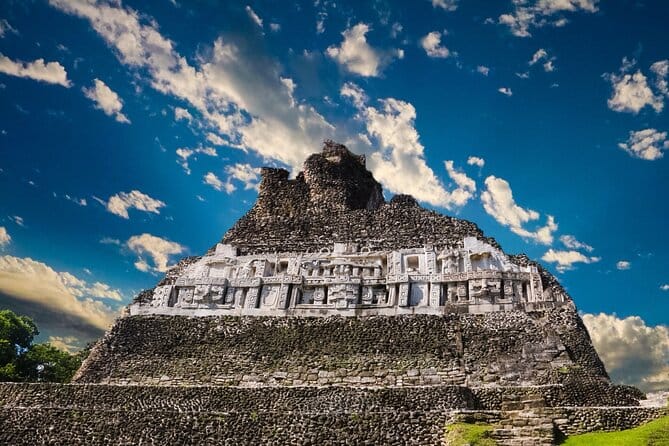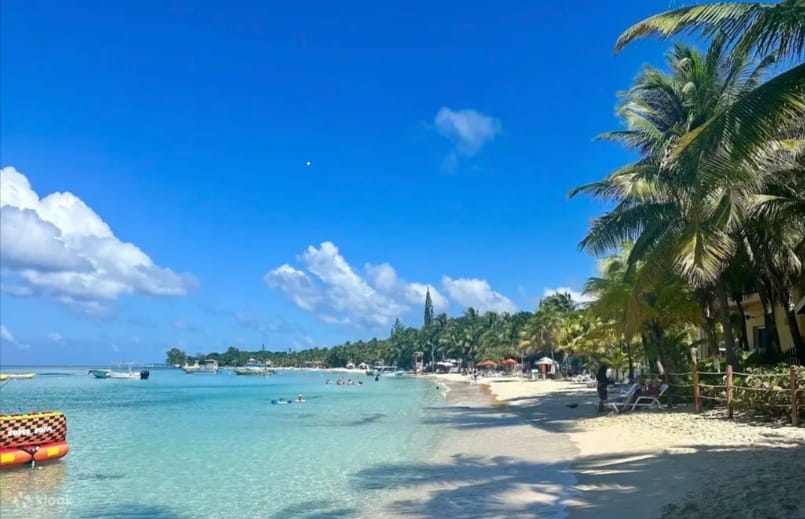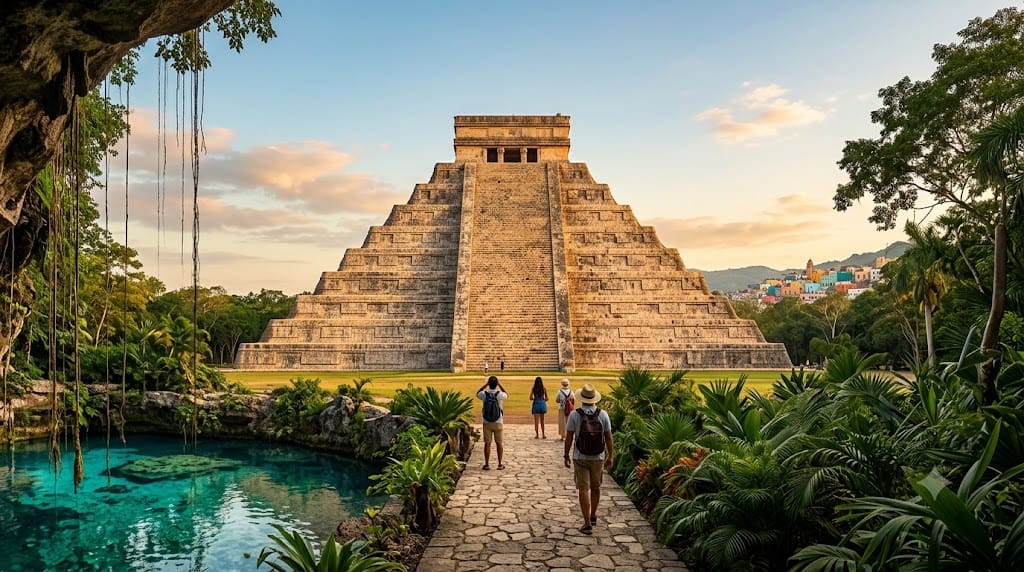
Guatemala is a land of vibrant colors, towering volcanoes, and deep historical roots that stretch back thousands of years. Known as the heart of the Maya world, it offers travelers a unique blend of natural beauty and ancient civilization. Exploring the various archaeological sites in Guatemala allows you to step back in time and witness the grandeur of an empire that once ruled Central America.
Beyond the ruins, the country is home to colonial cities and stunning lakes that provide a diverse travel experience. Whether you are trekking through thick jungles or drinking local coffee in a mountain village, the scenery is always breathtaking. This guide highlights the top locations to visit for an unforgettable journey in 2026.
10 Best Tourist and Archaeological Sites in Guatemala 2026 Travel Guide
1. Tikal National Park
Tikal is arguably the most famous of all the archaeological sites in Guatemala and is a UNESCO World Heritage destination. Located deep in the Petén jungle, its massive limestone temples rise above the rainforest canopy. The site was once a powerful capital city that dominated the Mayan region for centuries.
Visitors should arrive at the park gates before dawn to experience the sunrise from the top of Temple IV. Listening to the jungle wake up with the sounds of howler monkeys and tropical birds is a spiritual experience. Be sure to hire a local guide to learn about the complex astronomical alignments of the plazas.
2. Antigua Guatemala
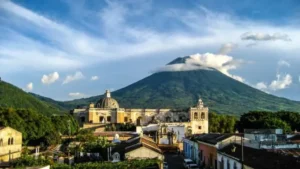
Antigua is a stunning colonial city surrounded by three massive volcanoes: Agua, Fuego, and Acatenango. Its cobblestone streets and ruined churches tell the story of a city that was once the Spanish capital of Central America. Today, it is a hub for culture, high-quality dining, and Spanish language schools.
For adventure seekers, hiking the nearby Acatenango Volcano offers a chance to see the active Fuego Volcano erupting from a safe distance. Inside the city, the Santa Catalina Arch is the most iconic spot for photography. Don’t forget to visit the local chocolate museums to learn about the ancient Mayan “drink of the gods.”
3. Lake Atitlán
Lake Atitlán is often described as the most beautiful lake in the world due to its crystal-clear water and surrounding volcanic peaks. Around the shore, several indigenous villages maintain their traditional customs and vibrant textile weaving. Each town has a distinct personality, from the yoga retreats of San Marcos to the bustling markets of Panajachel.
Taking a private boat tour is the best way to explore the different lakeside communities. You can hike the “Indian Nose” trail at sunrise for a panoramic view of the entire lake basin. Visiting the local cooperatives in San Juan La Laguna provides deep insight into natural dyeing techniques and Mayan artistry.
4. El Mirador
If you are looking for a true adventure, El Mirador is one of the most remote archaeological sites in Guatemala. It is hidden deep in the northern jungle and is currently only accessible by a multi-day trek or a helicopter flight. The site is home to La Danta, which is one of the largest pyramids by volume in the ancient world.
The five-day trek from the village of Carmelita requires a good level of fitness and a sense of wonder. Walking through the dense forest allows you to see rare wildlife and untouched ruins that few tourists ever reach. This destination is perfect for those who want to see the Mayan world in its most raw and unexcified state.
5. Quiriguá
Located in the Motagua River valley, Quiriguá is famous for its exceptionally well-preserved stelae and zoomorphs. These massive sandstone monuments contain intricate hieroglyphics that record the history of Mayan royalty. It is a smaller but essential stop among the significant archaeological sites in Guatemala.
The tallest stela at the site stands over 35 feet high, making it the largest of its kind in the Maya world. The park is surrounded by lush banana plantations and offers a quiet, shaded environment for exploration. It is a perfect half-day trip for history buffs traveling between the Rio Dulce and Guatemala City.
6. Semuc Champey
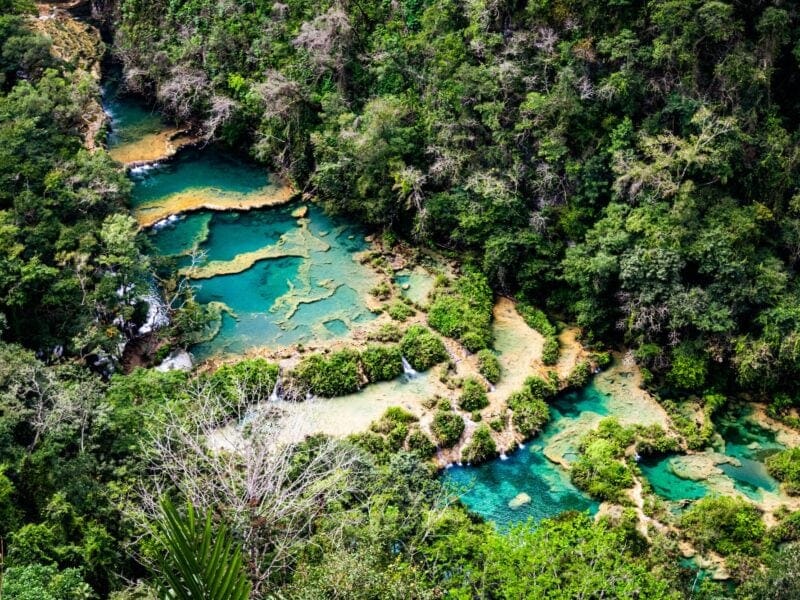
Semuc Champey is a natural wonder consisting of a 300-meter limestone bridge that forms a series of stepped turquoise pools. Located near the town of Lanquín, these pools sit atop the rushing Cahabón River, which disappears underground beneath the bridge. It is widely considered one of the most beautiful swimming spots in the world.
To get the best view, hike up to the “El Mirador” viewpoint for a bird’s-eye perspective of the pools nestled in the green valley. Afterward, you can cool off by swimming in the refreshing water or exploring the nearby K’an Ba caves by candlelight. The journey to get there is bumpy, but the scenery is worth every minute of the ride.
7. Yaxhá
Yaxhá is a massive lakeside ruin that offers a more peaceful alternative to the crowds of Tikal. It features over 500 structures, including impressive pyramids and ball courts that overlook Lake Yaxhá. It is one of the most atmospheric archaeological sites in Guatemala because of its lakeside setting and abundant wildlife.
The best time to visit is in the late afternoon to climb the main temple for the sunset. Watching the sun drop below the horizon while looking out over the water and the jungle is a highlight for many travelers. You will often have the ruins almost entirely to yourself, accompanied only by the sounds of monkeys.
8. Iximché
Iximché was the capital of the Kaqchikel Maya and later became the first colonial capital established by the Spanish. It is situated on a high plateau protected by deep ravines, offering a natural fortress layout. Today, it remains one of the most culturally active archaeological sites in Guatemala.
Travelers often witness modern Mayan priests performing traditional fire ceremonies at the designated altars within the site. These rituals involve incense, candles, and prayers, providing a living link to the ancient past. It is an easy day trip from Antigua or Lake Atitlán and offers a profound look at surviving indigenous spirituality.
9. Zaculeu
Zaculeu served as the capital of the Mam kingdom and is located near the city of Huehuetenango. The site is unique because it was restored in the 1940s using white plaster, reflecting how the buildings would have appeared in ancient times. It is one of the most visually striking archaeological sites in Guatemala due to its clean, white aesthetic.
The site features a large central plaza and several tall temples that you can still climb. Because it is located in the western highlands, the climate is cool and the surrounding mountains provide a dramatic backdrop. It is an excellent destination for those exploring the less-traveled northern highlands of the country.
10. Kaminaljuyu
Kaminaljuyu is located directly within the modern urban sprawl of Guatemala City. While much of the ancient city is now covered by modern buildings, the preserved park area protects several important mounds and structures. It is one of the oldest and most historically significant archaeological sites in Guatemala.
Visitors can explore the ruins and visit the on-site museum to see artifacts recovered from the excavations. The site serves as a reminder of the long-standing history of the valley where the capital city now stands. It is a convenient stop for travelers who have a few hours to spare before catching a flight or a bus.
Frequently Asked Questions (FAQs)
Is Guatemala safe for international tourists?
Yes, most tourists visit Guatemala without any issues by staying in popular areas like Antigua, Lake Atitlán, and Petén. It is wise to use official shuttle services between cities and avoid walking alone at night in large urban centers.
When is the best time of year to visit the ruins?
The dry season, which runs from November to April, is the best time for exploring the outdoors. During these months, the weather is clear and sunny, making it easier to hike through the jungle and climb the temples.
What currency should I bring to Guatemala?
The official currency is the Guatemalan Quetzal (GTQ). While some hotels in tourist areas accept U.S. Dollars, it is best to carry local currency for markets, small shops, and entrance fees to historical sites.
Conclusion
Guatemala is a destination that captures the heart of every traveler with its blend of ancient mystery and natural splendor. From the towering pyramids of the jungle to the quiet beauty of the volcanic highlands, there is something here for everyone. Spending time exploring the archaeological sites in Guatemala provides a deep appreciation for the resilience and ingenuity of the Maya people. Whether you are seeking high-intensity adventure or a peaceful cultural retreat, this country promises a journey that is both educational and inspiring. Plan your 2026 trip today to experience the magic of this Central American gem.