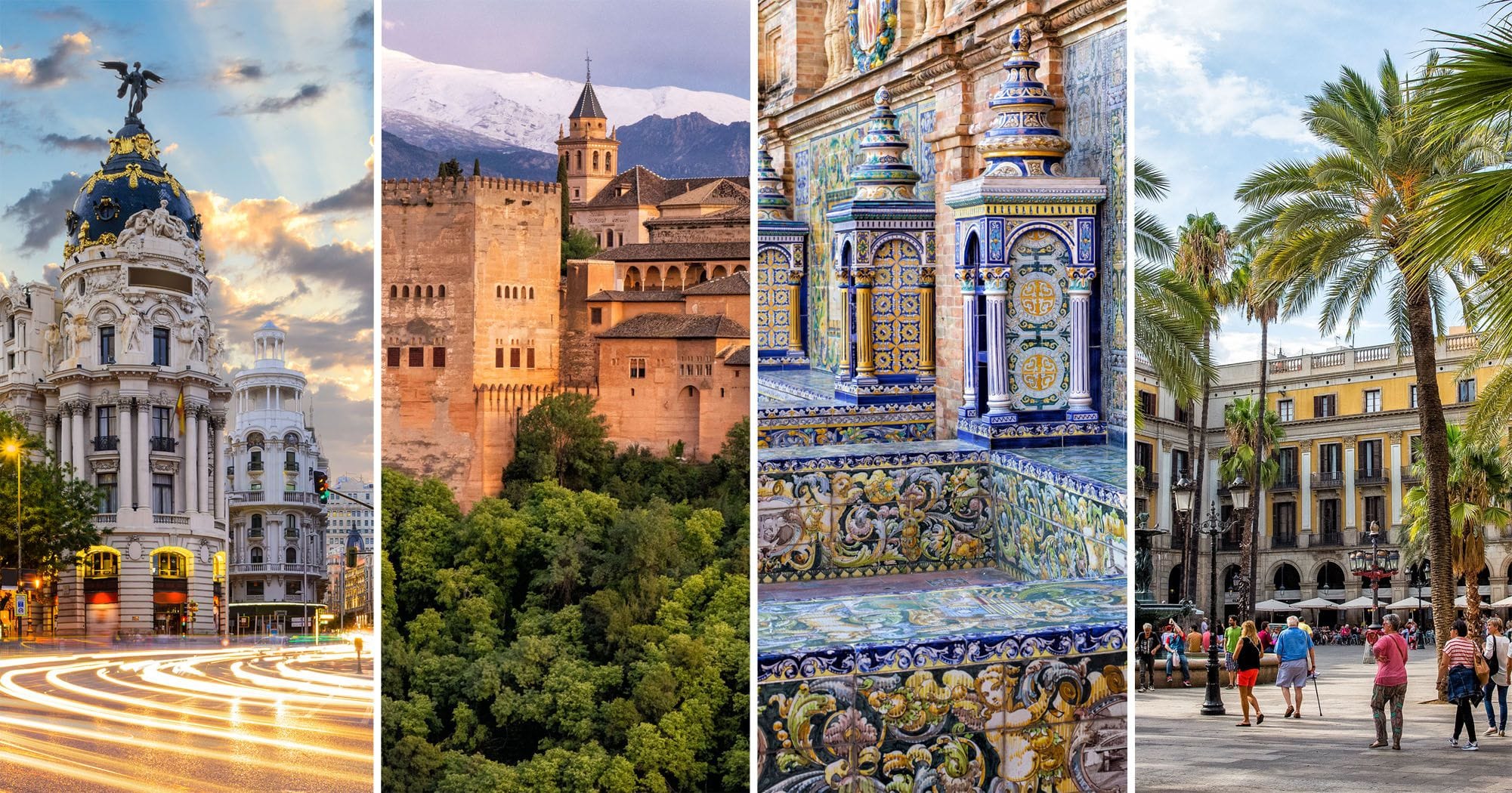
Spain remains one of the world’s most captivating destinations, offering a unique blend of sun-soaked coastlines and ancient history. In 2026, many tourist & archaeological sites in Spain have updated their visitor experiences with immersive technology and expanded museum sections.
Whether you are walking through Roman ruins or marveling at Islamic architecture, the country provides a deep connection to the past. Travelers can expect a seamless mix of vibrant culture, world-class gastronomy, and breathtaking monuments across every region.
This guide explores the must-visit locations that define the Spanish heritage and provide unforgettable memories for every history enthusiast.
Best 10 Tourist and Archaeological Sites in Spain 2026
1. The Alhambra in Granada
The Alhambra is a massive fortress and palace complex that showcases the pinnacle of Moorish art and architecture in Europe. It is widely considered one of the most stunning tourist & archaeological sites in Spain due to its intricate stucco work and peaceful reflecting pools.
Visitors should explore the Nasrid Palaces, where every wall is covered in detailed geometric patterns and Arabic calligraphy. The Generalife gardens offer a refreshing escape with fountains and flowers that have been carefully maintained for centuries.
To ensure entry, travelers must book tickets several months in advance, as daily visitor numbers are strictly limited. The best time to visit is during the early morning or late afternoon to enjoy the golden light hitting the Sierra Nevada mountains.
2. The Sagrada Família in Barcelona
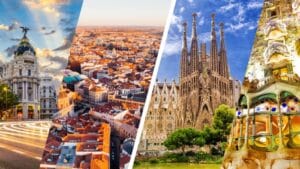
Antoni Gaudí’s masterpiece, the Sagrada Família, is a basilica that blends nature, faith, and unique modern design. While it is a modern religious monument, it incorporates the structural complexity found in many historic tourist & archaeological sites in Spain.
The interior is designed to look like a stone forest, with massive columns branching out like trees toward the ceiling. In 2026, the main towers are nearing completion, offering even more spectacular views of the Mediterranean coastline from the top.
Photography lovers should visit during the “magic hour” when the stained-glass windows cast vibrant colors across the entire nave. Using the official mobile app for the audio guide provides deep insight into Gaudí’s hidden symbols and architectural innovations.
Planning: Advance ticket booking is essential. Find guided tours and skip-the-line passes on Tripadvisor or secure your entry via Viator.
3. The Roman Theatre of Mérida
Mérida was once the capital of the Roman province of Lusitania and hosts some of the best-preserved ruins in Europe. The Roman Theatre is a highlight among tourist & archaeological sites in Spain for its towering marble columns and impressive seating capacity.
Every summer, the International Festival of Classical Theatre takes place here, allowing guests to watch plays in a 2,000-year-old venue. The adjacent Roman Amphitheatre, where gladiators once fought, is equally impressive and well-preserved.
Travelers can purchase a combined ticket to see multiple ruins across the city, including the Temple of Diana and the Roman Bridge. Walking through the city feels like visiting an open-air museum where history is integrated into daily life.
4. The Mosque-Cathedral of Córdoba
The Mezquita of Córdoba is a breathtaking example of how different religions and cultures have shaped Spanish history. It is recognized as one of the most significant tourist & archaeological sites in Spain for its iconic red-and-white striped arches.
The building originally served as a grand mosque before a Renaissance cathedral was built directly in its center during the 16th century. This architectural fusion creates a visual experience that is found nowhere else in the world.
Wandering through the “forest” of over 800 columns provides a sense of peace and historical weight. After visiting the interior, take a stroll through the Patio de los Naranjos, a courtyard filled with fragrant orange trees.
5. The Caves of Altamira and Museum
Located in northern Spain, the Altamira caves contain some of the most important prehistoric paintings ever discovered. These drawings represent a vital link to the earliest tourist & archaeological sites in Spain, dating back over 36,000 years.
To protect the original art, visitors tour “The Neocave,” a perfect physical replica located at the Altamira National Museum and Research Center. This replica allows you to see the famous polychrome bison paintings in great detail without damaging the ancient pigments.
The surrounding town of Santillana del Mar is a beautiful medieval village that complements the prehistoric tour. It is an excellent area for those who enjoy green landscapes and traditional Cantabrian cuisine.
6. The Roman Aqueduct of Segovia
The Aqueduct of Segovia is an engineering marvel that has stood without mortar for nearly two millennia. It is a dominant feature among tourist & archaeological sites in Spain, stretching across the city center with 167 impressive arches.
Standing at the base of the tallest section in Plaza del Azoguejo is the best way to appreciate the scale of the granite blocks. The structure was used to transport water from the mountains until the mid-19th century, showing its incredible durability.
For the best views, climb the stairs at the end of the aqueduct to reach the Postigo del Consuelo viewpoint. From here, you can see the stone arches framing the old city and the distant mountains of the Sierra de Guadarrama.
7. The Archaeological Ensemble of Itálica
Located just outside Seville, Itálica was the first Roman city founded in Hispania and the birthplace of Emperor Hadrian. It remains one of the most fascinating tourist & archaeological sites in Spain for its remarkably intact floor mosaics.
The massive amphitheater could once hold 25,000 spectators and was recently used as a filming location for popular television shows. Walking the original Roman streets allows you to see the foundations of grand villas and public baths.
Travelers should visit in the spring to avoid the intense summer heat of the Andalusia region. Taking a guided tour is highly recommended to understand the complex drainage systems and social hierarchy of the ancient city.
8. The Royal Palace of Madrid
The Royal Palace of Madrid is the largest functioning royal palace in Europe, featuring over 3,400 rooms. While the monarchy no longer lives here full-time, it stands as one of the premier tourist & archaeological sites in Spain for those interested in regal history.
The Royal Armory is a highlight, housing one of the most significant collections of medieval weapons and armor in the world. The lavishly decorated throne room and the Royal Chapel showcase the immense wealth of the Spanish Empire.
Visitors should check the schedule for the Changing of the Guard ceremony, which is a colorful and traditional event. The adjacent Sabatini Gardens offer a quiet place to sit and admire the palace’s Neoclassical facade.
9. Medina Azahara near Córdoba
Medina Azahara is the ruins of a vast, fortified Arab Muslim medieval palace-city built in the 10th century. It stands out among tourist & archaeological sites in Spain as a symbol of the former Caliphate’s power and scientific advancement.
The site was forgotten for centuries and buried under earth, which helped preserve many of its delicate carved decorations. Today, visitors can explore the Upper Palace and the reception hall of the Caliph, which has been meticulously restored.
A shuttle bus runs from the center of Córdoba to the site, making it an easy day trip. The modern interpretation center at the base of the hill provides excellent context before you walk through the ruins.
10. The Roman City of Tarraco
Tarragona, formerly known as Tarraco, offers a unique opportunity to see Roman history right next to the sea. It is one of the most scenic tourist & archaeological sites in Spain, featuring an amphitheater that overlooks the blue waters of the Mediterranean.
The city walls are the oldest Roman construction in Spain and provide a great walking path for tourists. You can also explore the Roman Circus, where chariot races were once held, and the nearby colonial forum.
Visiting the local Archaeological Museum will help you understand how this city served as a major administrative hub for the Roman Empire. The combination of ancient history and a modern beach atmosphere makes it a perfect destination for 2026.
Frequently Asked Questions (FAQs)
What is the best way to travel between these historical sites?
Spain has an excellent high-speed train network called the AVE, which connects major cities like Madrid, Barcelona, Seville, and Córdoba. For more remote archaeological sites, renting a car is often the most convenient option to explore at your own pace.
Do I need to book tickets in advance for these attractions?
Yes, it is highly recommended to book tickets online at least several weeks in advance for popular spots like the Alhambra and Sagrada Família. Many sites now use timed entry slots to manage crowds and preserve the ancient structures.
Are these sites accessible for travelers with mobility issues?
Most major monuments and museums in Spain have made significant efforts to improve accessibility with ramps and elevators. However, some ancient ruins with uneven stone paths or steep hills may still present challenges, so it is best to check specific site websites.
What is the best time of year to visit Spain for sightseeing?
The best times to visit are during the spring (April to June) and fall (September to October). During these months, the weather is mild enough for walking through outdoor ruins without the intense heat of the Spanish summer.
Conclusion
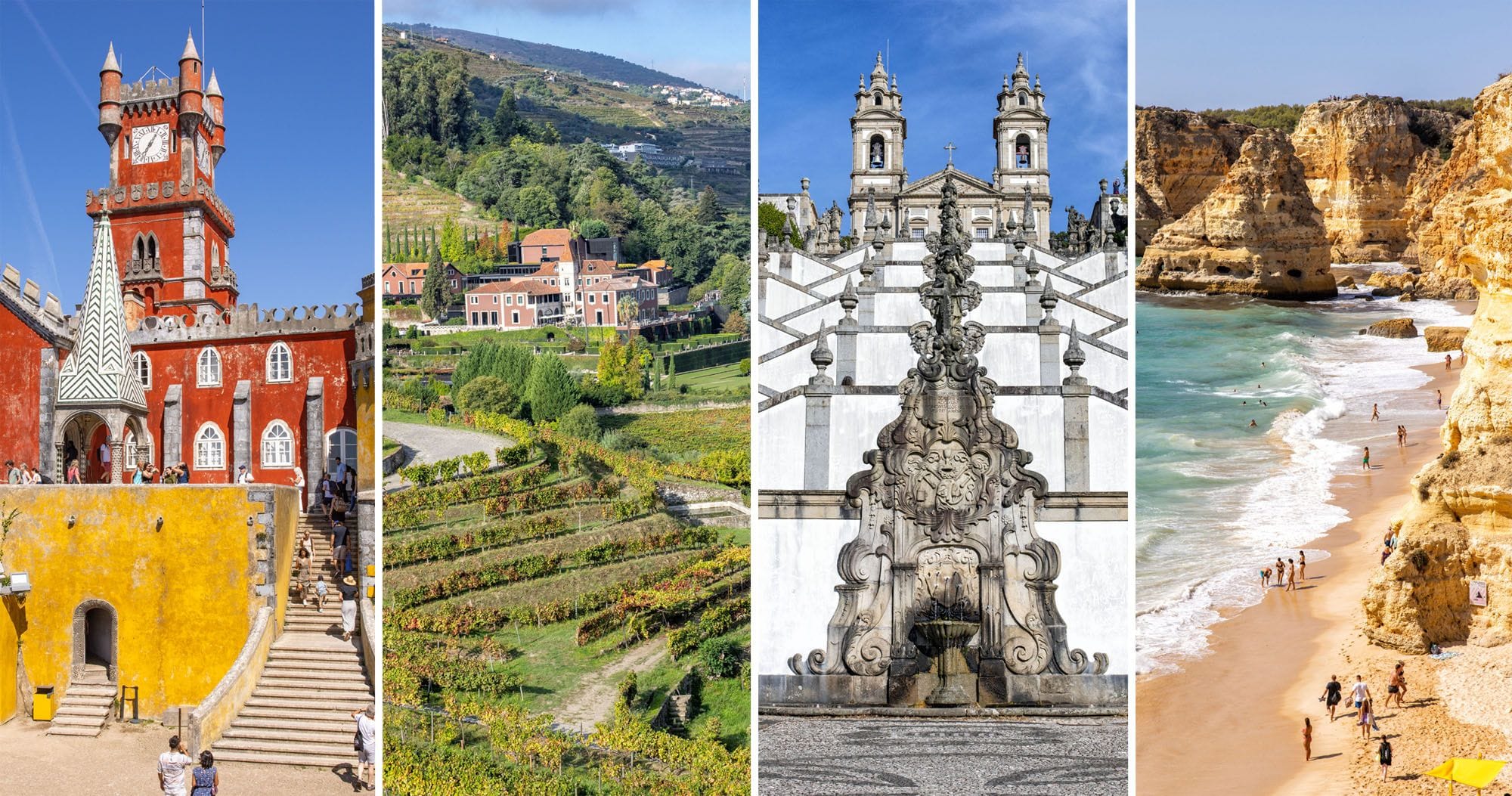
Spain is a country where every corner holds a piece of history, from the prehistoric caves of the north to the Moorish palaces of the south. Exploring these tourist & archaeological sites in Spain offers a deep connection to the diverse civilizations that have called the peninsula home. Whether you are a fan of Roman engineering or Gothic architecture, the 2026 travel season promises better access and more informative displays than ever before. Planning your journey around these ten landmarks ensures a rich, educational, and visually stunning adventure through time. And if you wish to continue this journey, extend it to Portugal, a cultural and historical extension of Spain. Discover the 13 Best Archaeological Sites in Portugal for 2026 Travelers.




A very wonderful article containing a collection of famous Spanish tourist places that are worth visiting.