The Canada World Cup 2026 is more than just a global football tournament; it is a perfect chance to experience the stunning landscapes of Canada. While this major event is hosted jointly by the USA, Mexico, and Canada, the experience in the Great North stands apart. And although they are countries with breathtaking tourist areas and destinations for many visitors, Canada possesses a unique and captivating tourism charm that makes it an unforgettable destination.
Whether you are in the city for a match or taking a break between games, Canada offers an amazing mix of urban excitement and wild, natural beauty. From towering mountains to crystal-clear lakes, we have put together the ultimate guide for your trip. Here are 10 scenic Canada World Cup 2026 places that you must explore.
Iconic Canadian Destinations to Visit During the World Cup
Planning a trip for the 2026 tournament requires a balance of sports and sightseeing. To help you maximize your journey, here are ten scenic places that showcase the very best of Canadian nature and culture.
1. Banff National Park, Alberta
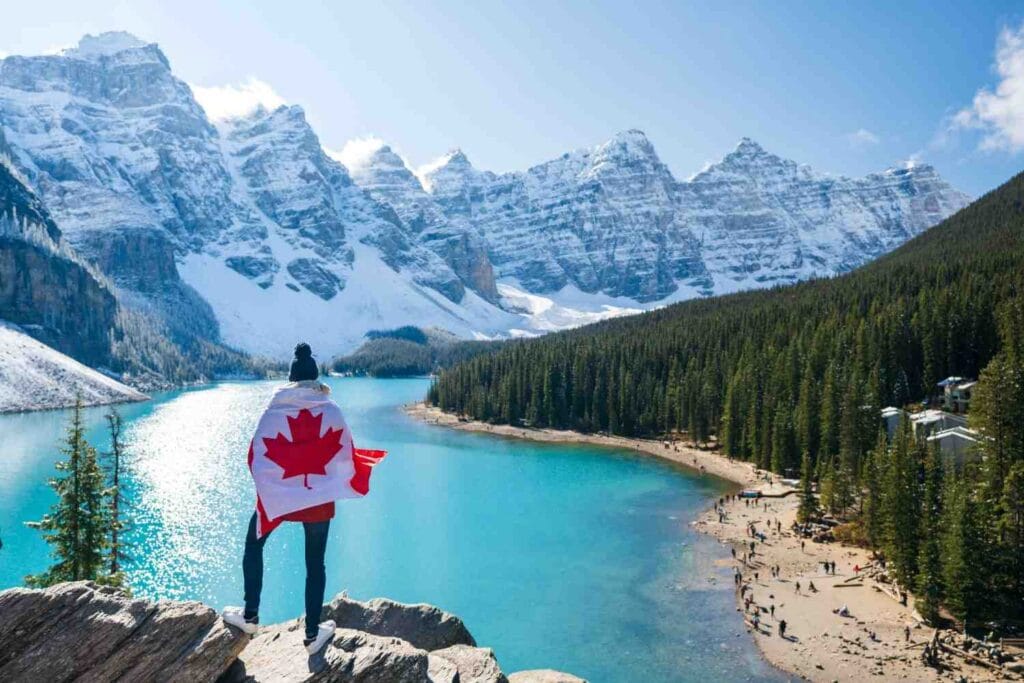
Banff is Canada’s oldest national park and perhaps its most famous. Located in the heart of the Rocky Mountains, it features turquoise glacial lakes and jagged mountain peaks that look like something out of a postcard.
Lake Louise and Moraine Lake are the crown jewels of the park. Visitors can hike through pine-scented forests or take the Banff Gondola to the top of Sulphur Mountain for a panoramic view of the surrounding ranges.
For travelers, it is essential to book shuttle tickets to the lakes well in advance, as parking is extremely limited. The town of Banff also offers excellent dining and shopping options for those looking to relax after a day of hiking.
2. Niagara Falls, Ontario
Just a short drive from the host city of Toronto, Niagara Falls is an essential stop for any World Cup visitor. The sheer power of the Horseshoe Falls is a sensory experience that defines the majesty of the Great Lakes region.
History buffs will appreciate the area’s significance in the War of 1812 and its long-standing reputation as a global tourism hub. You can take a boat tour to get close to the mist or walk through tunnels that lead directly behind the falling water.
To avoid the heaviest crowds, try visiting early in the morning or during the week. Don’t forget to explore the nearby town of Niagara-on-the-Lake, which is famous for its world-class wineries and colonial architecture.
3. Stanley Park, Vancouver
Vancouver is one of the primary host cities for the 2026 World Cup, and Stanley Park is its green heart. This massive urban park is almost entirely surrounded by the waters of the Pacific Ocean and offers a perfect escape from the city bustle.
The park is home to a rich indigenous history, represented by the impressive Totem Poles at Brockton Point. Walking or cycling the 9-kilometer seawall provides stunning views of the city skyline, the North Shore mountains, and the Lions Gate Bridge.
If you are visiting in the summer, make sure to check out the hollow tree and the various beaches tucked along the park’s edge. It is a great place for a picnic between match days while staying within the city limits.
4. Old Quebec City, Quebec
If you want to feel like you have stepped into a European village, Old Quebec is the place to be. This UNESCO World Heritage site is the only fortified city north of Mexico, featuring cobblestone streets and centuries-old stone buildings.
The Fairmont Le Château Frontenac dominates the skyline and is often cited as the most photographed hotel in the world. Walking along the Dufferin Terrace provides a beautiful view of the St. Lawrence River.
Visitors should explore the Petit Champlain district, which is filled with local boutiques and cozy bistros. Make sure to try some traditional poutine or tour the Citadelle to learn about Canada’s military history.
5. Peggy’s Cove, Nova Scotia
For those heading to the Atlantic coast, Peggy’s Cove is a quintessential maritime destination. The village is famous for its iconic lighthouse perched on massive, wave-smoothed granite rocks.
This remains an active fishing village, where you can watch lobster boats come and go from the harbor. The rugged coastal scenery is perfect for photography, especially during the golden hour at sunset.
A vital safety tip for travelers: always stay off the “black rocks” near the water. The Atlantic waves can be unpredictable and powerful, even on a sunny day. Stick to the designated paths for the best experience.
6. Jasper National Park, Alberta
While Banff gets much of the fame, Jasper National Park offers a more rugged and serene experience. It is the largest national park in the Canadian Rockies and is part of a vast Dark Sky Preserve, making it a dream for stargazers.
The Columbia Icefield is a major highlight, where you can walk on the ancient Athabasca Glacier. You can also drive the Icefields Parkway, which is widely considered one of the most beautiful scenic drives in the entire world.
Wildlife sightings are very common here, including elk, grizzly bears, and mountain goats. Always maintain a safe distance from animals and carry bear spray if you plan on hiking the deeper backcountry trails.
7. Tofino, British Columbia
Located on the rugged west coast of Vancouver Island, Tofino is Canada’s premier surfing destination. It is a place where ancient rainforests meet the wild Pacific Ocean, creating a moody and magical atmosphere.
The area is famous for Long Beach, a vast stretch of sand perfect for storm watching or learning to surf. Beyond the waves, you can take boat tours to see whales, sea lions, and even coastal wolves in their natural habitat.
Tofino has a laid-back, artistic vibe with some of the best seafood in the country. Be sure to book your accommodation months in advance, as this small town is a popular retreat for both locals and international tourists.
8. Whistler, British Columbia
Known primarily as a winter ski resort, Whistler transforms into a stunning alpine playground during the summer months. It is located just a two-hour drive from Vancouver along the scenic Sea-to-Sky Highway.
The Peak 2 Peak Gondola is a must-do activity, connecting the summits of Whistler and Blackcomb mountains. It offers a bird’s-eye view of glaciers, forests, and volcanic peaks that are inaccessible by foot.
The village itself is pedestrian-friendly and filled with vibrant patios and mountain bike trails. If you enjoy hiking, the Highnote Trail offers some of the most expansive mountain vistas you will find anywhere in North America.
9. The Bruce Peninsula, Ontario
Located between Lake Huron and Georgian Bay, the Bruce Peninsula is a hidden gem for fans of crystal-clear water and dramatic cliffs. The most famous spot is the “Grotto,” a natural sea cave carved into the limestone shoreline.
The water here is a vibrant turquoise color that looks more like the Caribbean than Canada. However, be warned that the water remains quite cold even in the peak of summer.
Because of its popularity, the national park requires reservations for parking at the most famous trailheads. Plan your visit for a weekday to enjoy a quieter experience along the rugged Bruce Trail.
10. Cavendish, Prince Edward Island
Prince Edward Island (PEI) is famous for its red sand beaches and rolling green hills. Cavendish is the heart of the island’s tourism and the setting for the world-famous novel “Anne of Green Gables.”
You can visit the historic Green Gables Heritage Place to learn about author Lucy Maud Montgomery. Afterward, head to the PEI National Park for a walk along the dunes and a swim in the warmest salt water north of the Carolinas.
The island is also a paradise for food lovers, particularly those who enjoy fresh oysters and mussels. Driving the coastal routes is the best way to see the lighthouses and small fishing harbors that define the island’s charm.