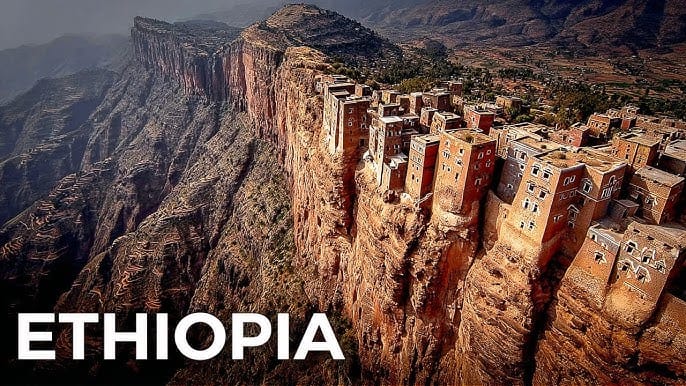
Ethiopia, often hailed as the “cradle of humanity,” offers an unparalleled travel experience. This East African nation boasts a rich tapestry of ancient history, diverse cultures, and breathtaking landscapes, making it a truly unique destination for any adventurer. From rock-hewn churches to volcanic wonders, the Ethiopia tourist sites promise a journey unlike any other.
Prepare to delve into millennia of civilization and natural marvels as we guide you through the 13 best tourist and archaeological sites in Ethiopia for your 2026 travel plans. Each location provides a profound insight into a country that has defied colonization and preserved its distinct heritage. Discover why Ethiopia stands as a must-visit destination.
Best 13 Tourist & Archaeological Sites in Ethiopia 2026
1. Lalibela: The Rock-Hewn Churches
Lalibela is an extraordinary pilgrimage site renowned for its 11 medieval monolithic cave churches, carved entirely out of living rock in the 12th century. These UNESCO World Heritage sites are often referred to as the “New Jerusalem” and remain active places of worship today. The most famous is Bet Giyorgis (Church of Saint George), a cross-shaped structure meticulously sculpted downwards from the earth.
Visitors can explore the intricate tunnels and courtyards connecting the churches, marveling at the sheer engineering and spiritual devotion. Hire a local guide to fully appreciate the historical and religious significance of these architectural wonders. Wear comfortable shoes as you will be doing a lot of walking and climbing.
2. Axum: Obelisks and Ancient Kingdoms
Axum, once the heart of the powerful Aksumite Kingdom, is a city steeped in legend and history. It is home to magnificent granite obelisks, the tallest of which stands at 24 meters, marking the graves of ancient kings. These stelae are testament to a civilization that rivaled Rome and Persia.
Beyond the obelisks, explore the ruins of ancient palaces, royal tombs, and the supposed resting place of the Ark of the Covenant at St. Mary of Zion Church. Axum offers a deep dive into Ethiopia’s glorious past and its pivotal role in early Christianity. Allow at least a full day to explore the main archaeological park.
3. Gondar: The Royal Enclosure (Fasil Ghebbi)
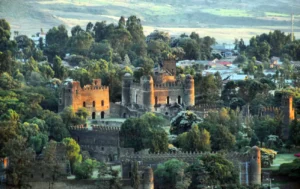
Gondar, known as the “Camelot of Africa,” served as the imperial capital for 236 years during the 17th and 18th centuries. Its most striking feature is Fasil Ghebbi, a UNESCO World Heritage site comprising a walled fortress with six castles and several other buildings. The architecture blends various influences, including Indian, Portuguese, and local styles.
Wander through the majestic stone structures, imagining the lives of emperors and empresses. Don’t miss Fasiladas’ Bath, an annual Epiphany celebration site, and the beautifully decorated Debre Berhan Selassie Church, famous for its ceiling adorned with angels. This is one of the most picturesque Ethiopia tourist sites for history buffs.
4. Simien Mountains National Park: Trekking and Wildlife
For nature lovers and trekkers, the Simien Mountains National Park is an unmissable destination. A UNESCO World Heritage site, it features dramatic erosion-formed peaks, deep valleys, and sharp precipices. It is home to several endemic species, including the gelada baboon, Walia ibex, and Ethiopian wolf.
Multi-day treks are popular, offering stunning vistas and opportunities for wildlife spotting. Shorter day hikes are also available from various lodges. Always hire a local guide and scout for safety and to support local communities.
5. Harar Jugol: The Walled City
Harar Jugol, a UNESCO World Heritage site, is a captivating walled city known for its narrow alleyways, colorful houses, and vibrant markets. Considered the fourth holiest city of Islam, it boasts 99 mosques and numerous shrines. The city has preserved its unique cultural and architectural identity.
Experience the famous hyena feeding ceremony outside the city walls at night, a long-standing tradition between locals and wild hyenas. Stroll through the bustling Harar market, soak in the historical atmosphere, and visit Rimbaud House, where the French poet Arthur Rimbaud once lived.
6. Danakil Depression: A Landscape Like No Other
The Danakil Depression is one of the hottest and lowest places on Earth, offering an otherworldly landscape of active volcanoes, bubbling sulfur springs, and vast salt flats. It is a challenging but incredibly rewarding adventure destination, pushing the boundaries of conventional tourism.
Witness the mesmerizing active volcano Erta Ale, trekking by night to see its bubbling lava lake. Explore the vibrant sulfur pools of Dallol, displaying an array of yellow, green, and orange hues. Due to extreme conditions and remote location, visiting requires a multi-day guided tour with experienced operators. This region provides an unforgettable highlight among Ethiopia tourist sites.
7. Tiya Stelae Field: Megalithic Monuments
The Tiya Stelae Field, another UNESCO World Heritage site, is an archaeological enigma south of Addis Ababa. It consists of 36 megalithic stelae, some intricately carved with enigmatic symbols such as swords, breasts, and enigmatic figures. These monuments mark ancient burial sites, though their exact purpose and the civilization that created them remain largely unknown.
This site offers a quiet yet profound experience, inviting contemplation about ancient human practices and beliefs. A visit here provides a unique glimpse into Ethiopia’s prehistoric past. It’s often combined with a trip to Lake Ziway or the National Museum.
8. National Museum of Ethiopia (Addis Ababa)
Located in the bustling capital city, Addis Ababa, the National Museum of Ethiopia is a treasure trove of the nation’s rich history and palaeontological discoveries. Its most famous resident is a replica of “Lucy” (Dinkinesh), the 3.2-million-year-old hominid fossil that revolutionized our understanding of human evolution.
The museum also houses an impressive collection of archaeological artifacts, traditional art, and royal regalia. It’s an excellent starting point for understanding Ethiopia’s vast timeline, from its earliest inhabitants to its imperial past. Allow a few hours to explore its various exhibits.
9. Debre Damo Monastery: Ancient Fortress of Faith
Perched atop a flat-topped mountain in the Tigray region, Debre Damo is an ancient Ethiopian Orthodox monastery founded in the 6th century by Abuna Aregawi. It is famous for its unique access: visitors (men only) must scale a 15-meter cliff face using a rope lowered by monks. This experience is truly one-of-a-kind.
Inside, discover beautifully preserved frescoes, ancient manuscripts, and intricate architectural details. The monastery offers a profound insight into Ethiopia’s enduring spiritual heritage and isolation. Women can admire the monastery from the base of the mountain.
10. Lake Tana & Blue Nile Falls: Source of the Blue Nile
Lake Tana, Ethiopia’s largest lake, is the source of the Blue Nile and a spiritual heartland. Dotted with some 20 islands, many of which house ancient monasteries and churches dating back to the 13th century, it offers a serene journey through history. Visit Ura Kidane Mehret and Azuwa Maryam, known for their stunning frescoes.
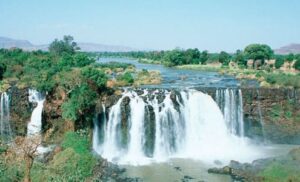
A short drive and walk from Bahir Dar will take you to the magnificent Blue Nile Falls (Tis Abay), though its flow can vary greatly depending on the season and hydroelectric projects. Hire a boat to explore the monasteries and learn about their rich history.
11. Konso Cultural Landscape: Terraced Farming and Totems
The Konso Cultural Landscape in southern Ethiopia is a UNESCO World Heritage site recognized for its unique terraced farming practices and fortified settlements. For over 400 years, the Konso people have meticulously shaped their environment, creating an impressive system of stone-walled terraces for agriculture.
Explore their villages, characterized by distinctive wooden “waga” totems erected to commemorate deceased clan leaders. This site offers a fascinating glimpse into a community that has maintained its traditional way of life and sustainable land management practices. It is a testament to cultural resilience and ingenuity.
12. Bale Mountains National Park: Endemic Wildlife Haven
The Bale Mountains National Park is a biodiversity hotspot and a critical refuge for Ethiopia’s endemic wildlife. It boasts the largest population of the critically endangered Ethiopian wolf and is home to the mountain nyala, giant mole-rat, and numerous bird species. The Sanetti Plateau, an Afroalpine wonderland, is particularly stunning.
Ideal for hiking, horseback riding, and wildlife photography, the park offers diverse landscapes from juniper forests to high-altitude moorlands. Visitors should arrange transport and guides through local operators to ensure an ethical and fulfilling experience. This is one of the premier natural Ethiopia tourist sites.
13. Yeha Temple: Ethiopia’s Oldest Standing Structure
Nestled in the Tigray region, Yeha Temple is considered Ethiopia’s oldest standing structure, dating back to the 7th or 8th century BC. This pre-Aksumite marvel offers a profound connection to the earliest known civilizations in the region. Its well-preserved walls hint at the sophisticated architectural prowess of its ancient builders.
Adjacent to the temple is a museum and the Church of Abuna Aftse, adding further historical context to this significant archaeological site. Visiting Yeha provides a crucial piece of the puzzle in understanding Ethiopia’s foundational history before the rise of Axum.
Frequently Asked Questions (FAQs)
Is Ethiopia safe for tourists?
Generally, Ethiopia is safe for tourists, especially in major tourist areas. However, like any travel destination, it’s wise to stay informed about current local conditions, avoid unnecessary risks, and follow advice from your embassy or local guides.
What is the best time to visit Ethiopia?
The best time to visit Ethiopia is during the dry season, from October to May. The weather is generally pleasant for exploring, and roads are more accessible, particularly for trekking and visiting remote regions.
Do I need a visa for Ethiopia?
Most foreign nationals require a visa to enter Ethiopia. eVisa services are available online for many countries, offering a convenient application process. Check the official Ethiopian immigration website for the latest requirements specific to your nationality.
What currency is used in Ethiopia?
The official currency of Ethiopia is the Ethiopian Birr (ETB). While major hotels and some tour operators might accept USD or Euros, it’s best to have Birr for daily expenses, smaller purchases, and local markets.
Conclusion
Ethiopia offers a truly unique and transformative travel experience. From its ancient rock-hewn churches and magnificent obelisks to its dramatic mountain landscapes and vibrant cultural traditions, the country presents a journey through time and nature. Each of these Ethiopia tourist sites tells a powerful story, inviting visitors to uncover the layers of a civilization that has shaped global history. Prepare for an adventure that will not only awe you but also deepen your understanding of humanity’s rich heritage.