France remains a top global destination, offering a blend of ancient history, world-class art, and stunning landscapes. In 2026, many sites have updated their visitor facilities to provide a smoother and more immersive experience for international travelers. Exploring the many historical and tourist attractions in France allows you to walk through centuries of architectural brilliance and cultural evolution.
Whether you are looking for the romance of Paris or the rugged charm of the Normandy coast, this guide covers the must-visit locations for your next trip. Proper planning is essential, as many of these sites now require advanced reservations to manage crowds effectively.
1. The Eiffel Tower
No visit to France is complete without seeing the Iron Lady, which was originally built for the 1889 World’s Fair. Standing at 330 meters, it offers unparalleled views of the Parisian skyline and remains a symbol of industrial innovation.
For the best experience in 2026, book your elevator tickets at least two months in advance on the official website. If you feel energetic, you can climb the 674 steps to the second floor for a unique perspective and a shorter wait time.
At night, the tower sparkles for five minutes every hour on the hour. For a great photo opportunity without the crowds, head to the Trocadéro Gardens or the Champ de Mars early in the morning. You can book an observation deck experience through Tripadvisor’s Eiffel Tower Listings.
2. The Louvre Museum
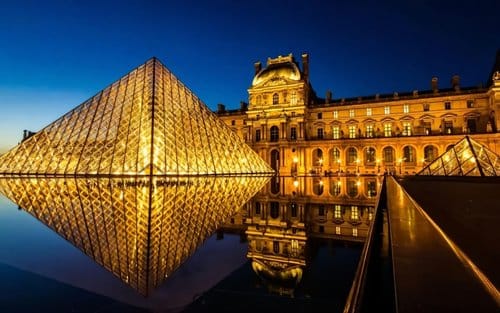
The Louvre is the largest art museum in the world and occupies a former royal palace that dates back to the 12th century. It houses over 35,000 works of art, including the Mona Lisa, the Venus de Milo, and the Winged Victory of Samothrace.
To avoid the massive queues at the glass pyramid, try entering through the Carrousel du Louvre shopping mall entrance. Once inside, focus on one or two wings rather than trying to see everything in a single day.
In 2026, the museum has introduced new digital guides that use augmented reality to explain the history of the fortress foundations. This is a great way to understand the building’s transition from a defensive castle to a royal residence.
3. The Palace of Versailles
Located just a short train ride from Paris, the Palace of Versailles is a masterpiece of French Baroque architecture. It served as the center of political power for King Louis XIV and is famous for the opulent Hall of Mirrors.
This site is among the most famous historical and tourist attractions in France, attracting millions of visitors each year. Be sure to explore the vast gardens, which feature musical fountain shows on weekends during the summer months.
Rent a bicycle or a golf cart to reach the Trianon estate and Marie Antoinette’s private hamlet. These areas are much quieter than the main palace and offer a glimpse into the more private lives of the French monarchy.
4. Mont Saint-Michel
Rising from the sea off the coast of Normandy, Mont Saint-Michel is a medieval abbey perched on a rocky island. The site is famous for its dramatic tides, which can surround the island completely during high water.
The walk across the modern bridge offers stunning views of the abbey’s silhouette against the sky. Inside the walls, the narrow, winding streets of the village lead you up to the magnificent Gothic abbey at the summit.
Stay overnight in the village to experience the island after the day-trip crowds have left. The silent, moonlit alleys provide a magical atmosphere that feels like stepping back into the Middle Ages.
5. The Medieval City of Carcassonne
Carcassonne is a fortified town in the Occitanie region that looks like something out of a fairy tale. It features two miles of massive outer walls and 52 watchtowers that have protected the city for centuries.
Visitors can walk along the ramparts to see the Pyrenees mountains in the distance. This location is one of the most well-preserved historical and tourist attractions in France and offers a deep dive into medieval military engineering.
Don’t miss the Basilica of Saints Nazarius and Celsus, which is known for its beautiful stained glass and Romanesque architecture. Try the local “cassoulet,” a rich slow-cooked bean and meat stew that is a specialty of the region.
6. Pont du Gard
The Pont du Gard is an ancient Roman aqueduct bridge that crosses the Gardon River in southern France. Built in the 1st century AD, it is a testament to the incredible engineering skills of the Roman Empire.
You can walk across the bridge or take a guided tour to see the upper channel where water once flowed to the city of Nîmes. The surrounding park is perfect for a picnic or a refreshing swim in the river on a hot day.
Visit the on-site museum to learn how the Romans moved massive stones without modern machinery. In the summer, the bridge is often illuminated with colorful light shows that celebrate its history.
7. Châteaux of the Loire Valley
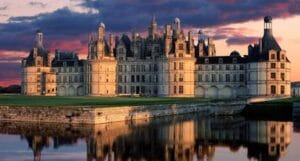
The Loire Valley is known as the “Garden of France” and is home to over 300 magnificent castles. The most famous among these are Château de Chambord, with its double-helix staircase, and Château de Chenonceau, which arches over the Cher River.
These estates represent some of the most stunning historical and tourist attractions in France from the Renaissance era. Renting a car is the best way to hop between different towns and explore the smaller, hidden gems of the valley.
Consider visiting in the autumn when the vineyards turn golden and the crowds are smaller. Many châteaux host wine tastings where you can sample local Sauvignon Blanc and Cabernet Franc.
8. Promenade des Anglais in Nice
Nice offers a perfect blend of Mediterranean beauty and Belle Époque history. The Promenade des Anglais is a world-famous walkway that stretches along the turquoise waters of the Baie des Anges.
Walk through the narrow streets of Vieux Nice (Old Town) to find vibrant flower markets and traditional soap shops. For the best view of the coastline, climb the stairs to Castle Hill (Colline du Château) to see the city and harbor from above.
In 2026, Nice continues to be a hub for art lovers, with dedicated museums for Matisse and Chagall. The city’s unique “Niçoise” cuisine, featuring fresh seafood and chickpea pancakes called “socca,” is a must-try.
9. The D-Day Landing Beaches
The beaches of Normandy are essential sites for anyone interested in modern history. Locations like Omaha Beach and Arromanches-les-Bains mark the spot where Allied forces landed during World War II in 1944.
The American Cemetery at Colleville-sur-Mer is a deeply moving site overlooking the English Channel. It features thousands of white crosses and a memorial dedicated to the soldiers who fought for liberation.
Hiring a local guide can provide valuable context and stories that you might miss on your own. Most tours also include visits to Pointe du Hoc, where you can still see the craters left by heavy naval bombardment.
10. Sainte-Chapelle
Located on the Île de la Cité in Paris, Sainte-Chapelle is a royal chapel known for its breathtaking stained glass windows. Built in the 13th century by King Louis IX, it was designed to house holy relics, including the Crown of Thorns.
The upper chapel features fifteen huge windows that depict over 1,100 scenes from the Bible. The light filtering through the glass creates a kaleidoscope of colors that is unlike any other cathedral in the world.
To avoid the longest lines, visit early in the morning on a sunny day when the light is most vibrant. It is conveniently located near Notre-Dame Cathedral, which has been fully restored and is open to the public in 2026.
Frequently Asked Questions (FAQs)
What is the best way to travel between cities in France?
The high-speed TGV train network is the most efficient way to travel, connecting Paris to major cities like Lyon, Marseille, and Bordeaux in just a few hours. For rural areas like the Loire Valley or Provence, renting a car is recommended.
Do I need to tip at restaurants in France?
In France, service is included in the price of your meal by law. However, it is common to leave a few euros as a small gesture of appreciation for excellent service, though it is not mandatory.
Is English widely spoken at French tourist sites?
Most staff at major historical sites and hotels speak English. In smaller villages, it is helpful and polite to know basic French phrases like “Bonjour” (Hello) and “Merci” (Thank you).
What is the best time of year to visit France?
The shoulder seasons of spring (April to June) and autumn (September to October) offer the best balance of pleasant weather and manageable crowds. Summer can be very hot and crowded, especially in Paris and the south.
Conclusion
France continues to captivate travelers with its unmatched variety of cultural experiences and timeless landmarks. From the Roman ruins of the south to the sparkling lights of Paris, the historical and tourist attractions in France offer something for every type of adventurer. By planning ahead and exploring both famous sites and hidden corners, you can create a truly unforgettable journey. As you walk through these ancient halls and scenic landscapes in 2026, you will see why France remains the most visited country in the world.